

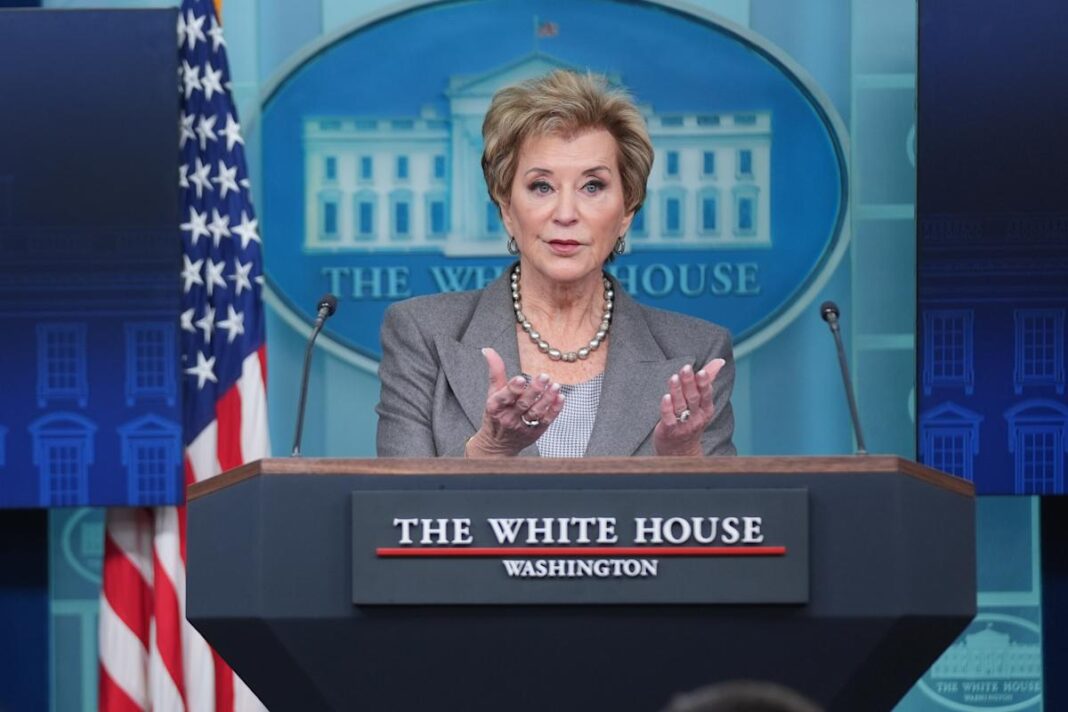

This week, the Trump administration announced a proposed settlement with the state of Missouri that said it would end the Saving on a Valuable Education (SAVE) plan — upending the repayment plans of millions of student loan borrowers across the country.
Initially, President Trump’s One Big Beautiful Bill had set the student loan repayment plan’s expiration date as July 1, 2028. However, the new deal, which is pending court approval, would end it even sooner than expected.
The Department of Education said it will not enroll any new borrowers in the SAVE plan, will deny any pending SAVE applications, and will transition all SAVE borrowers into available repayment plans.
The SAVE plan, an income-driven student loan repayment program, was introduced by the Biden administration in 2023 as a way to make payments more manageable for borrowers by reducing monthly payments based on income and family size. It also aimed to prevent loan interest from skyrocketing for borrowers with lower monthly payments and fast-tracked loan forgiveness for certain low-income borrowers.
There are currently over 7 million borrowers enrolled in the SAVE Plan, and 450,000 borrowers who have expressed interest in enrolling in the plan will also be impacted by the agreement, according to the Department of Education.
If this new deal is approved, all of these borrowers will need to apply for an alternative repayment plan.
“The termination of the SAVE plan removes the most affordable repayment plan option available to borrowers today, and many will feel the financial impact immediately,” said Kaydee Ambas, consumer finance professional at Earnest.
“While Congress had already scheduled SAVE to sunset in 2028, borrowers were counting on several more years of predictable, more affordable payments before any transition. Now they’re facing an accelerated shift and far less time to prepare,” she added.
Read more: How IDR student loan forgiveness works
The elimination of the SAVE plan could prompt future borrowers to reconsider whether federal student loans are the right fit for them. As far as repayment options are concerned, it’s important to consider how Trump‘s One Big Beautiful Bill law has changed the federal student loan landscape and eliminated some of the perks that made federal loans so attractive.
Under the OBBB, new federal loan borrowers will have just two repayment plans to choose from starting in July 2026: the standard repayment plan and the new Repayment Assistance Plan.
The standard repayment plan will allow student loan borrowers to make fixed payments over the course of 10 to 25 years. The Repayment Assistance Plan will allow borrowers to pay 1% to 10% of their income on a monthly basis for up to 30 years.
Private student loan lenders offer even fewer repayment options because you can typically only choose a term between five and 15 years, and these plans don’t take your income into account.
When weighing federal vs. private loans, there are several factors you’ll need to consider in addition to your repayment plan to determine which type of loan is the best fit for you. This includes borrowing limits, interest rates, credit score requirements, grace periods, and deferment and forbearance options.
Read more: After Trump’s budget bill, are federal student loans still the gold standard?
Millions of borrowers are now at the mercy of the government’s next move, having to switch gears quickly and make a new student loan repayment plan — but experts say there are still viable options on the table.
“First, start by logging in to their servicer accounts to review their options, use the federal loan simulator to compare different IDR plans, and submit an application for your preferred plan before the system gets overwhelmed,” Ambas said. “The upcoming Repayment Assistance Plan will not replicate SAVE’s affordability, so early preparation matters.”
Borrowers with more stable incomes and good credit scores might consider refinancing their loans with a private lender to secure more favorable terms. However, before exploring this option, it’s important to note that refinancing your student loans means you’ll lose the protections that come with federal student loans, such as Public Service Loan Forgiveness (PSLF) and income-driven repayment plans.
“The key is to actively evaluate your options now rather than waiting to see what happens,” Ambas said.
Read more: What student loan repayment will look like after Trump’s budget bill
Regardless of what happens next, there are still moves you can make to reduce your student loan balance.
-
Pay more than the minimum: Paying more than the minimum payment on your loans each month can reduce the amount you pay in interest over the life of your loan and shorten your repayment timeline.
-
Set up automatic payments: Putting your loans on autopay means that you’ll never miss a payment and risk incurring additional fees or hurting your credit score.
-
Refinance federal loans if it makes sense: Shop around to see if refinancing your student loans can help you save. Borrowers with a more favorable credit score may be able to secure a better interest rate with a private lender to save money on interest over time and shorten the repayment term. Of course, this does mean losing certain federal protections, but it could make sense for your situation if you don’t need to rely on income-based repayment plans, deferment and forbearance programs, and don’t qualify for PSLF.
Read more: Tips and tricks for quickly paying off student loans


