


Chinese artificial intelligence start-up MiniMax plans to channel funds from its proposed Hong Kong initial public offering (IPO) into research and development as it seeks to compete with global and domestic rivals, according to a person familiar with the matter.
With 70 per cent of its revenue generated overseas, MiniMax was targeting Hong Kong’s international investor base and capital market, the person said.
The Shanghai-based firm, backed by Alibaba Group Holding and Tencent Holdings, was aiming for a listing as early as January, the person said. The IPO size had not been finalised, despite a July media report suggesting a range between HK$4 billion (US$514 million) and HK$5 billion, another source said. Alibaba owns the South China Morning Post.
Do you have questions about the biggest topics and trends from around the world? Get the answers with SCMP Knowledge, our new platform of curated content with explainers, FAQs, analyses and infographics brought to you by our award-winning team.
The listing is pending approval from the China Securities Regulatory Commission after the company filed its listing application with the Hong Kong stock exchange confidentially.

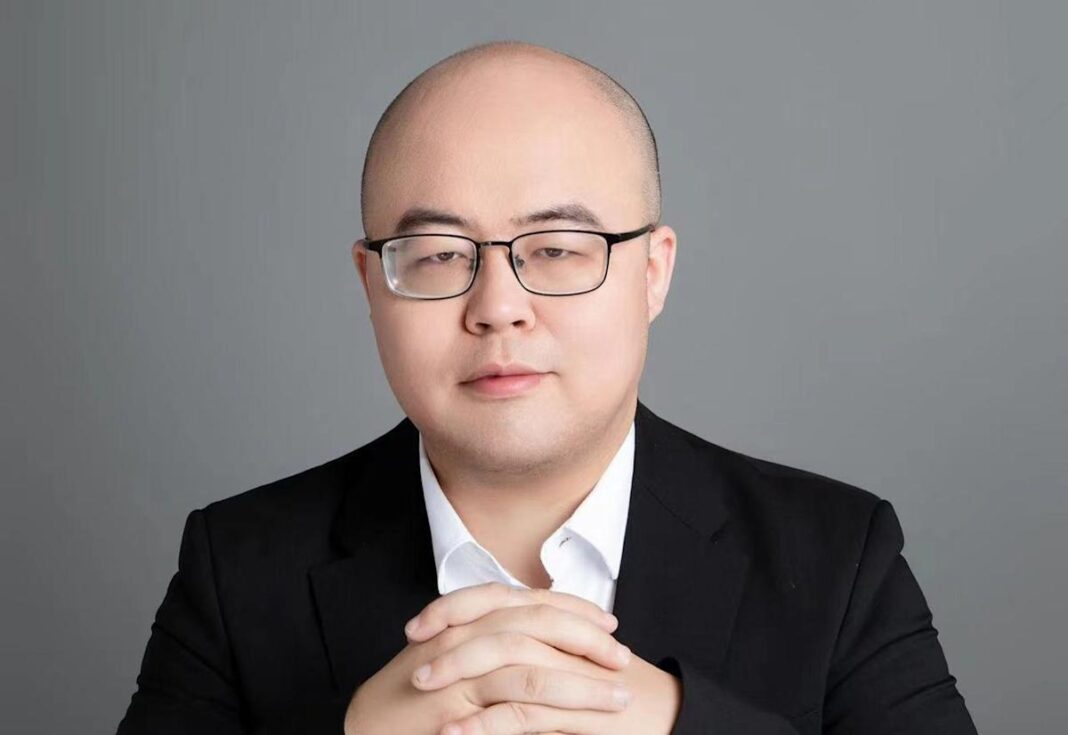
MiniMax founder Yan Junjie is focusing on developing multimodal AI models. Photo: Handout alt=MiniMax founder Yan Junjie is focusing on developing multimodal AI models. Photo: Handout>
Domestic rival Zhipu was reportedly considering a Hong Kong listing around the same time. MiniMax and Zhipu are among the four new generative AI tigers of China – along with Baichuan and Moonshot AI.
MiniMax and Ziphu declined to comment.
The IPOs will test investor appetite for mainland Chinese AI firms amid intensifying domestic competition to develop more efficient services and challenge Western leaders such as OpenAI. While interest in China’s AI sector has grown since start-up DeepSeek unveiled its low-cost, high-performance large language models, recent concerns about monetisation have raised doubts that investment may be outpacing business fundamentals.
MiniMax founder Yan Junjie, a former computer vision expert at SenseTime, is focusing on developing multimodal AI models including MiniMax M2, Hailuo 2.3, Speech 2.6 and Music 2.0 that can process text, audio, images, video and music. The company is regarded as one of the first in China to use a “mixture-of-experts” (MoE) architecture on a large scale – a method later adopted and popularised by DeepSeek.
Yan sees mainland Chinese AI companies rapidly catching up with US giants. “The best American companies may be valued at a hundred times more than Chinese start-ups, earn a hundred times as much revenue, and spend dozens of times more money – yet their technology might only be about 5 per cent ahead, and even that gap is narrowing,” he said in a podcast with Chinese entrepreneur Luo Yonghao published on Wednesday.


