


-
iRobot is seeking bankruptcy protection, with plans to be purchased by its primary manufacturer.
-
The company has been seeing steep losses, higher costs, and lower revenue due to the Trump administration’s tariff policies.
-
Amazon had previously sought to acquire the company, but was unable to obtain regulatory approval.
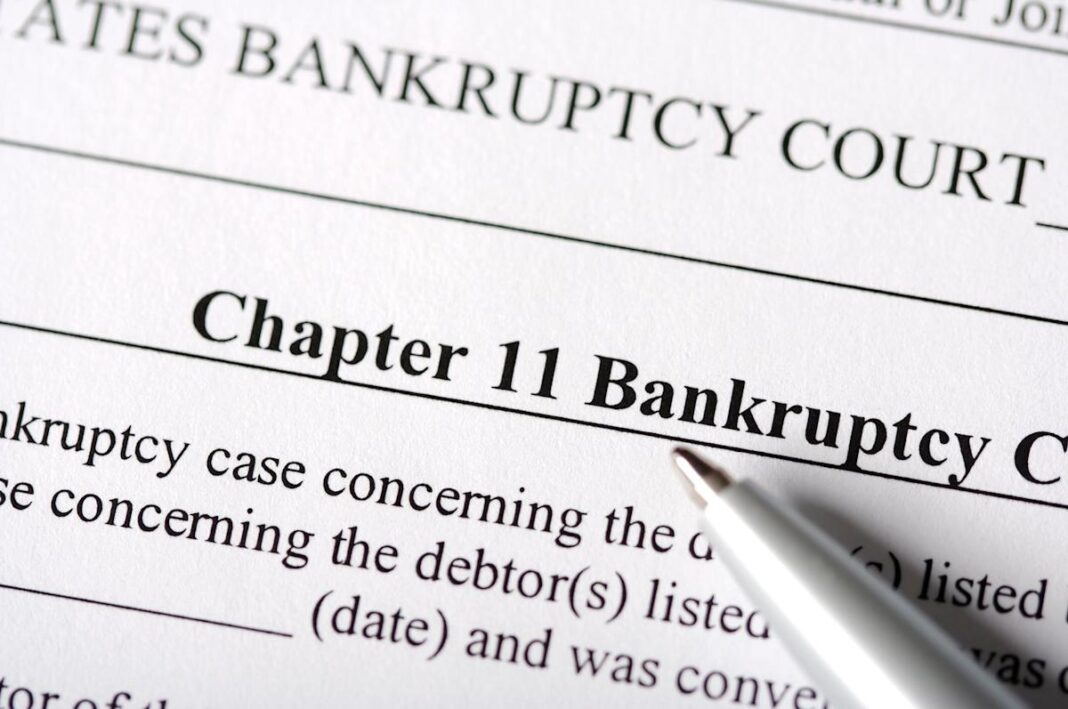
Tech company iRobot (NASDAQ: IRBT), the maker of household vacuums and cleaning robots that include Roomba and Braava, filed for Chapter 11 bankruptcy protection on Sunday, less than two years after a $1.7 billion buyout by Amazon (NASDAQ: AMZN) fell through.
The company announced that it has expectations of being acquired by privately held Picea Robotics, its primary manufacturer, with the transaction expected to be completed by February.
“Today’s announcement marks a pivotal milestone in securing iRobot’s long-term future,” CEO Gary Cohen said. “The transaction will strengthen our financial position and will help deliver continuity for our consumers, customers, and partners. Together, we will work to continue advancing the industry-leading Roomba robots and smart home technologies that have defined the iRobot brand for more than three decades.”

The Chapter 11 announcement is devastating for investors, who “will experience a total loss and not receive recovery on their investment,” according to the company. Chapter 11 bankruptcy allows companies to continue to function under court supervision as it reorganizes its debt.
Management said that iRobot is expected to continue operations during the bankruptcy proceedings and reorganization, including functionality of its app, customer programs, and product support. The company will continue to maintain global partnerships and supply chain relationships as it undergoes reorganization, it said.
iRobot stock traded at $4.32 before the announcement, but shares fell more than 65% after markets opened this morning.
The company faced serious challenges this year, with the stock falling sharply in March as President Donald Trump implemented his tariff policy on many countries. The majority of iRobot’s devices for the U.S. market are manufactured in Vietnam, which was subject to 46% import duties under Trump’s tariff program. Costs for iRobot increased by $23 million this year. Meanwhile, sales in the U.S. dropped 33% in the third quarter from a year ago.
Revenue in the third quarter was $145.8 million, down from $193.4 million on a year-over-year basis. The company reported an operating loss of $17.7 million, following a profit of $7.3 million in the third quarter of 2024.


