


A new generation of retail investors is entering financial markets with expectations that differ sharply from those of previous cohorts.
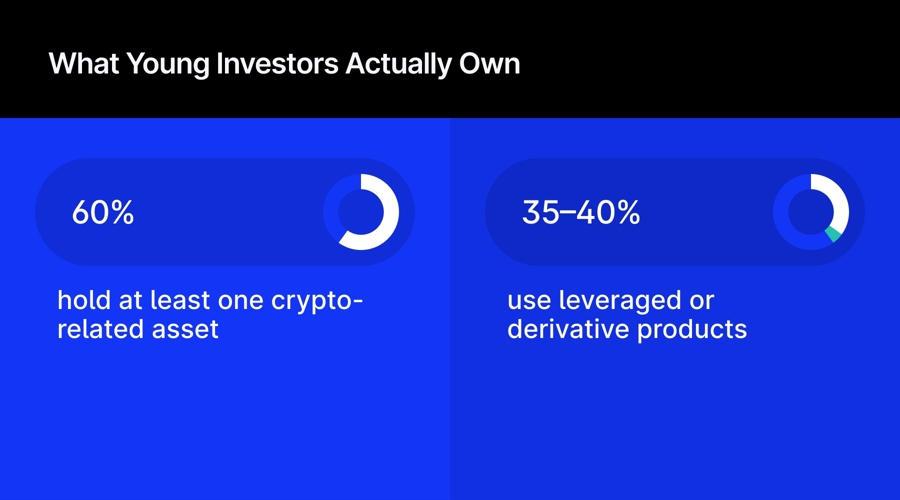
According to a study by Coinbase and Ipsos Research, Gen Z and Millennial investors trade more frequently, accept higher risk, and show stronger demand for crypto, derivatives, and other non-traditional products than older investors.
The research, based on a survey of more than 2,000 U.S. investors, suggests this shift is structural rather than cyclical. While 73% of younger respondents believe traditional paths to wealth creation are less accessible, they remain relatively optimistic about long-term economic prospects. This combination is driving more active, self-directed market participation.
What Brokers Need to Know About the Next Generation of Retail Clients
Younger investors are significantly more likely to manage their finances independently. More than 80% say they need to take control of their investment decisions, and nearly 70% express greater confidence in their own judgment than in the advice of traditional financial advisors. Instead, they rely on digital channels and peer-driven signals, with a strong interest in social and copy trading features.
This self-directed approach is reflected in trading behaviour. Younger investors trade more frequently, are more willing to use leverage, and allocate a larger share of their portfolios to non-traditional assets. On average, around a quarter of their holdings are outside traditional stocks and bonds, compared with less than 10% among older investors.
Rather than focusing on individual products, their demand clusters around a set of common characteristics: continuous market access, exposure to higher-growth opportunities, and integration with digital and social tools. Extended-hours trading, event-based and prediction markets, crypto-linked derivatives, and early-stage digital assets all fall into this category.
How Platforms Need to Adapt
The findings are based on U.S. data and were produced in partnership with Coinbase, a firm with direct exposure to digital asset markets. While this context should be taken into account, the results align with broader industry trends observed across retail trading platforms. The main takeaway: brokers and trading platforms must adapt to changing investor expectations.
A new generation values multi-asset access, 24/7 markets, and integrated social features over traditional advisory models. Those that fail to evolve risk losing relevance; those that innovate will gain a competitive edge in attracting and retaining the next wave of retail investors.
This article was written by Tanya Chepkova at www.financemagnates.com.
Source link


