


If 2026 is the year you’re planning to retire, you may have started the official countdown to that milestone already. But before you retire, it’s important to take a close look at your financial picture and make sure you’re truly ready.
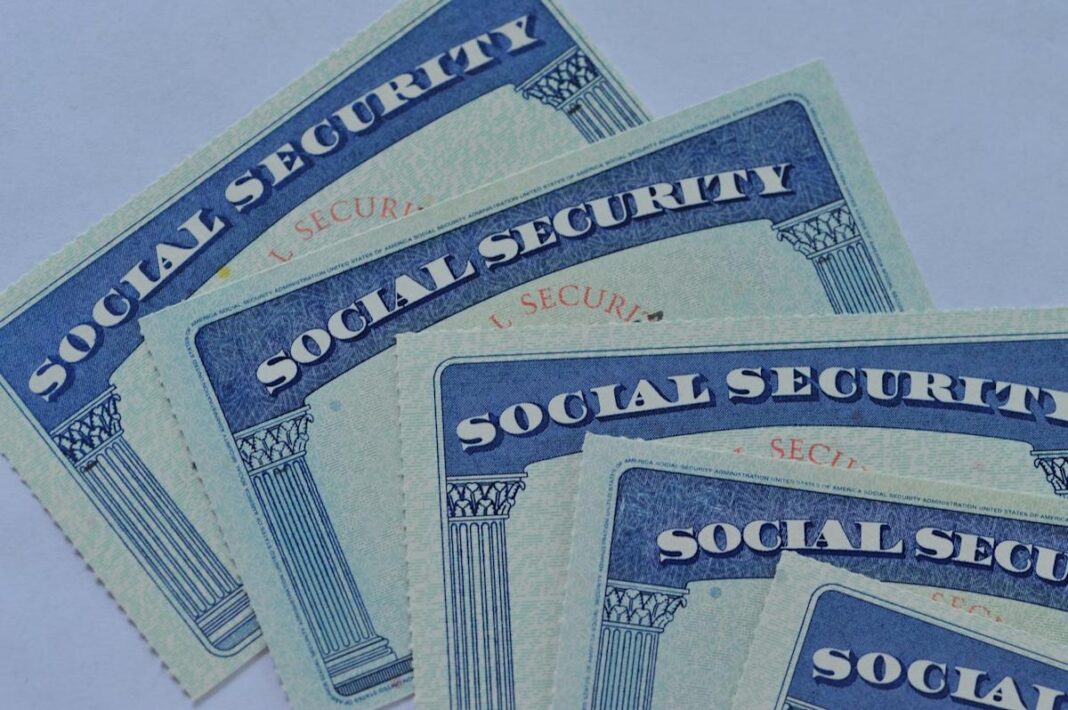
You may also want to reconsider a 2026 retirement if your only expected source of income once you stop working is Social Security. Let’s review what the average monthly benefit looks like today, and why you might need to supplement it.

In November 2025, the average monthly Social Security benefit among retired workers was $2,013.32. Now that average benefit should increase once 2026 arrives, since Social Security is getting a 2.8% cost-of-living adjustment, or COLA.
But the cost of Medicare Part B is also increasing. Seniors who are enrolled in Medicare and Social Security at the same time pay their Part B premiums out of their monthly benefits.
If you’re new to Medicare, you’ll have to account for a monthly premium of $202.90 in 2026, which is what you’ll pay if you don’t have any non-Social Security income. If you’re not used to paying as much for healthcare now, that’s yet another cost you’ll have to factor in, and it could leave you with less Social Security than expected.
So all told, you may not get much more out of Social Security in 2026 than $2,013.32 a month, or a little over $24,000 per year. That’s not a particularly generous income. So if you don’t have any savings, you may want to come up with another plan.
If you’re looking at just Social Security for income once you stop working, one potential solution could be to delay retirement. Building up even a small IRA or 401(k) balance could give you more financial breathing room in retirement.
Let’s say you manage to work an extra two years, during which time you’re able to put $12,000 into an IRA. That’s not going to leave you with a ton of extra money for retirement. But it’s still money you can dip into to deal with emergency or one-off expenses that your monthly Social Security checks may not be able to cover.
For example, let’s say you own your home but it’s on the older side. You might have a year with a $3,000 repair. That small IRA could come to your rescue by covering the cost of that bill so you don’t have to worry about finding the room in your regular retirement budget.


