For many retirees, their biggest fear isn’t just running out of money, it’s running out of money because the market crashed at the worst possible time. We’ve all heard horror stories from big market crashes and panic selling that can deplete someone’s principal and make it mathematically challenging for a portfolio ever to fully recover.
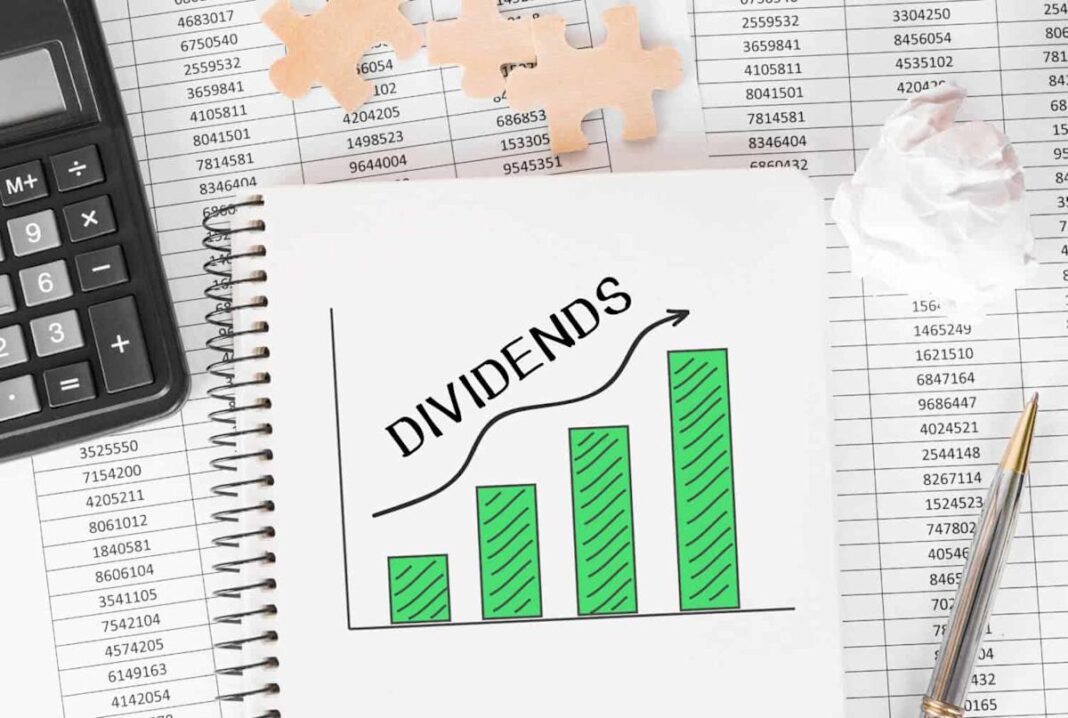
An income-first strategy using dividend stocks helps retirees avoid panic selling during market downturns.
Procter & Gamble has increased its dividend for 69 consecutive years, making it a reliable choice for steady dividend income.
Enterprise Product Partners offers a 6.81% yield from energy infrastructure operations and is here to stay.
If you’re thinking about retiring or know someone who is, there are three quick questions causing many Americans to realize they can retire earlier than expected. take 5 minutes to learn more here
The good news is that retirees can step off this roller coaster, and the better news is that it doesn’t require a huge bet on any risky strategy. Instead, it requires more of a mindset shift that helps retirees stop looking at portfolios as a pile of cash to draw from and instead as a way to generate income as the years go by.
The primary goal is to develop a strategy that generates reliable cash flow to cover living expenses, so that principal withdrawals are less frequent. As we head into 2026, this income-first approach is becoming the strategy of choice for those who want a good night’s sleep while their money earns for them.
The foundation of any strategy for retirees should be one that focuses more on income rather than headline portfolio value. It won’t come as any surprise to learn that market prices fluctuate every day, sometimes aggressively so. On the other hand, concentrating on dividend income tends to give you an opportunity to have a much more predictable financial lifestyle, one which can also cover most, if not all, of your expenses.
This income-first mindset is likely going to help retirees stay invested during downturns and avoid the panic-selling craze that happens all too quickly once the market goes deep red. Instead of watching account balances fall and feeling this pressure to act, retirees with this simple strategy will focus on dividends continuing to arrive as expected.
Better yet, in some cases, high-quality dividend payers maintain or even raise payouts during market stress, which reinforces the benefits of this simple but powerful strategy.
Traditional withdrawal or drawdown strategies, like the popular 4% rule, rely on selling assets every year in retirement to continue funding retirement. When markets are rising, as they have in the last few years, this strategy works very well, but when markets fall, retirees may be forced to sell more shares at a lower price to generate the same level of income.
It’s this sequence of return risk that can permanently reduce future portfolio growth by reducing the amount of money inside a portfolio that can continue compounding.
Thankfully, dividend income helps break this cycle, and it can cover expenses through cash distributions, instead of selling shares when valuations are depressed. The underlying investments can remain intact and positioned to recover when markets stabilize. This strategy is simple enough, and it still allows the principal to hold steady and make a meaningful difference in long-term retirement planning.
To make this simple strategy work, you need to populate a portfolio with assets that perform different roles, including stability, some for yield, and others for growth.
If you are looking for stability, Procter & Gamble (NYSE:PG) is often the first name on the list. The company continues to demonstrate why it’s a retiree favorite, and with an annual dividend payment hovering around $4.23 right now, it’s a safe bet given that the dividend has grown every year for the last 69 years. As people will always need to buy laundry detergent, toothpaste, and toilet paper, there is a pretty strong argument for holding this “inflation fighter” in your portfolio.
For the high-yield aspect of a retiree’s portfolio, they should be looking at Enterprise Product Partners (NYSE:EPD), which is currently sitting at a 6.81% yield and annual dividend payout of $2.18. The energy infrastructure this company operates includes pipelines and storage facilities that help move natural gas and oil across the country, which, unsurprisingly, doesn’t stop, no matter the current economy.
Adding a growth element to the retiree mix, Rexford Industrial Realty (NYSE:REXR) is a compelling mix of both income and capital appreciation. Operating industrial properties in Southern California, Rexford Industrial Realty has done well in one of the most supply-constrained markets in the world. With a dividend yield of 4.18% and 12 years of growth and counting, there is every reason to think that this stock is going to compound well over time.
To give an international mix to this strategy, look no further than the Vanguard International High Dividend Yield ETF (NASDAQ:VYMI). This fund and its 3.75% yield capture income from international markets and often trade at better valuations than domestic stocks. It also provides a wedge against the potential of a weakened US dollar and ensures income isn’t tied up solely in the fortunes of the US economy.
The final layer of this strategy works alongside the dividend strategy that will continue to cover normal expenses. Having liquid cash set aside acts as a safety net during retirement, and it can help absorb any surprises like medical care, home repairs, etc., all while investments continue to grow or recover during different market cycles. For retirees, focusing on stability and peace of mind is the way to go, and a simple dividend strategy plus a little extra cash is a practical way to avoid selling in down markets while still enjoying long-term growth.
You may think retirement is about picking the best stocks or ETFs, but you’d be wrong. Even great investments can be a liability in retirement. It’s a simple difference between accumulating vs distributing, and it makes all the difference.
The good news? After answering three quick questions many Americans are reworking their portfolios and finding they can retire earlier than expected. If you’re thinking about retiring or know someone who is, take 5 minutes to learn more here.
DoorDash (DASH) is a technology and logistics company that connects consumers with local businesses through on-demand delivery of food, groceries, convenience...