


Silver surged 10.21% overnight to reach an all-time high of $79.25 on Dec. 27.
The rally comes at a time when the metal’s demand is growing for solar panels, electric vehicles (EVs) and artificial intelligence (AI) hardware.
Yet, the surge is also a warning sign that the world is running short on one of its most critical industrial metals.
Related: ‘Rich Dad Poor Dad’ author says silver will outperform Bitcoin
China, which controls 60% to 70% of the world’s silver output, is set to impose new export controls starting Jan. 1, 2026.
Under the new rules, companies must secure government licenses to export silver, with eligibility limited to state-approved firms producing at least 80 tonnes annually and holding $30 million in credit lines.
This move effectively blocks small and mid-sized exporters, reducing international supply almost overnight.
According to Statista, global silver supply stands at around 1 billion ounces. Analysts estimate that supply deficits of 115 million to 120 million ounces this year are straining global inventories, as mine production fails to meet consumption for a fifth consecutive year.
Silver’s total market capitalization has now crossed $4 trillion, fueled by a short squeeze in October and renewed safe-haven demand amid global rate cuts and geopolitical tensions.
The physical silver market has grown increasingly illiquid, with buyers reporting delivery delays and rising premiums on bullion.
Traders and experts warn that above-ground reserves are being rapidly depleted as vault inventories fall to multi-year lows.
Venture capitalist Max Reiff warned,
“Demand for silver solar panels grew by 64% last year, passing jewelry as the single biggest source of demand. It’s been enough to swing the market into a supply deficit for the past four years. Meanwhile, solar is only 9% of global electricity production and ~2% of total energy production today”
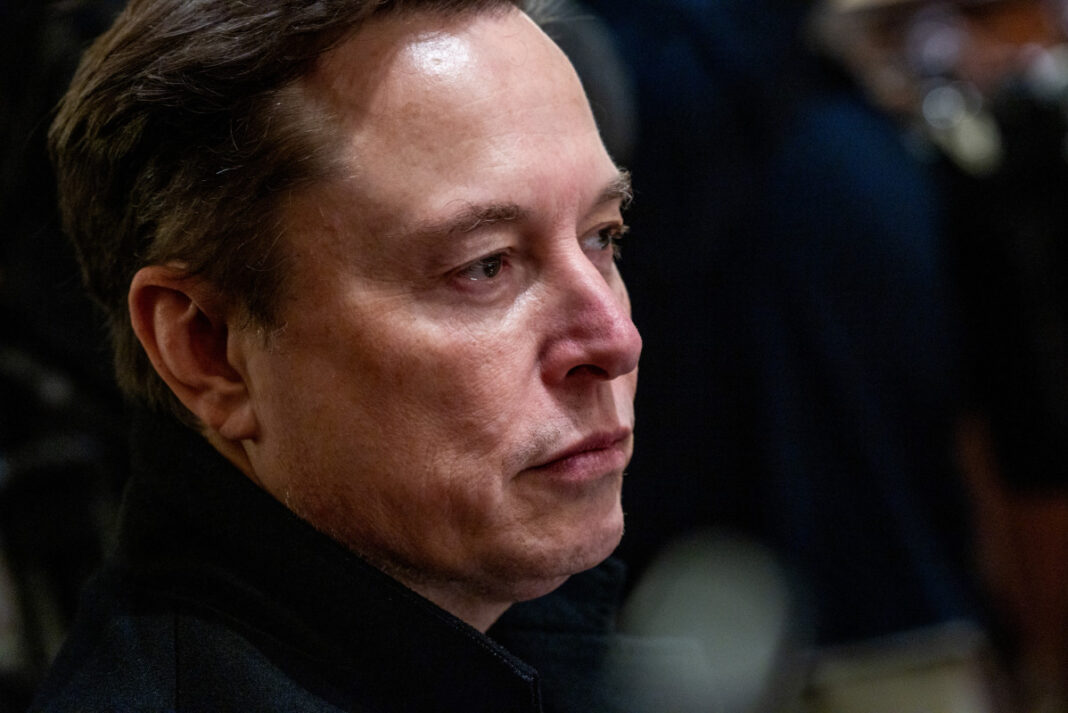
Tesla CEO Elon Musk commented on the silver supply crisis,
“This is not good. Silver is needed in many industrial processes.”
Silver has become an industrial bottleneck, critical to technologies powering the clean energy transition, from EV components and batteries to photovoltaic cells and semiconductors.
While Tesla doesn’t publicly disclose a total company-wide silver consumption figure, industry estimates suggest battery electric vehicles (BEVs), like Teslas, typically use about 25–50 grams of silver per car. This is roughly 0.8–1.6 troy ounces per vehicle in electrical contacts, power electronics, and control systems.


