


Global mergers and acquisitions surged in 2025, nearly reclaiming the all-time peak of 2021.
After a lull from cooling markets and higher borrowing costs, firms around the world stepped back into deal-making with renewed confidence.
Total M&A value reached roughly $4.5 trillion — about 50% above 2024 levels and the second-largest annual tally on record, the Financial Times reported Friday.
One defining characteristic of 2025’s deal boom was the value of the cash exchanging hands. There were 68 transactions worth at least $10 billion, more than in any recent year. These so-called megadeals accounted for the bulk of the dollar total, masking a continued decline in the number of smaller deals.
“This has been a decade-high level of megadeals, double the number of deals from last year. When you look at the importance of scale, it’s been an all-time record in terms of the premium that the market has given to scale,” said Anu Aiyengar, JPMorgan’s global head of advisory and M&A, on a recent podcast episode.
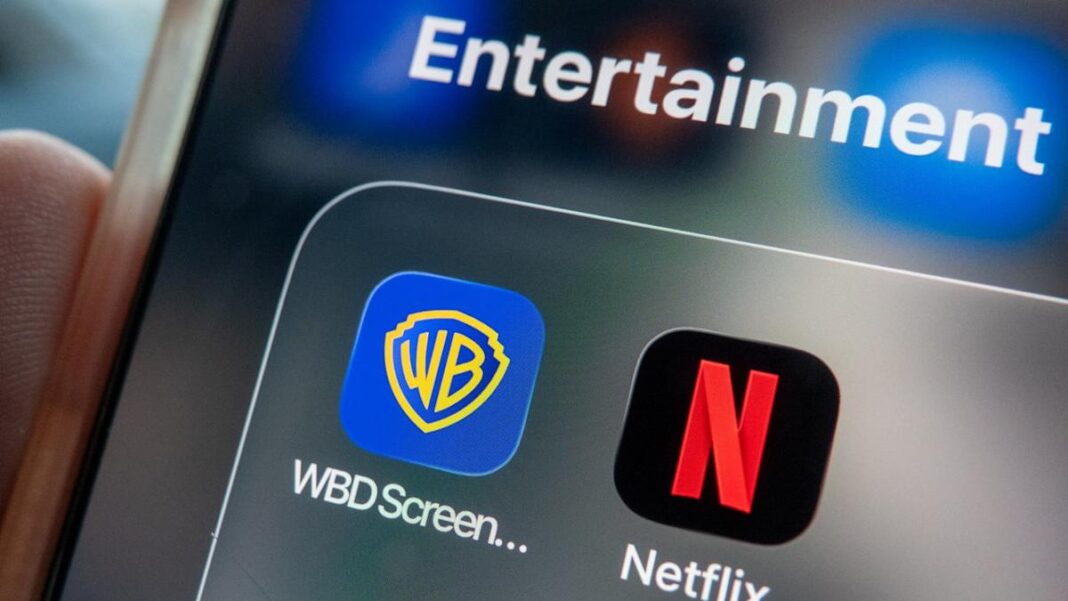
Topping the list of megadeals: A bidding war between Paramount and Netflix for Warner Bros. Discovery. Netflix unveiled a deal in December to acquire Warner Bros.’ film and streaming assets for an equity value of $72 billion, with Paramount offering a revised $108.4 billion hostile bid last week. However, Warner Bros.’ fifth largest shareholder, Harris Oakmark, told Reuters on Monday that the new bid was “not sufficient.”
“We see the two deals as a toss-up, and there is a cost to changing paths. If Paramount is serious about winning, they’re going to need to provide a greater incentive,” Oakmark said.
The second largest deal was a $88.26 billion rail merger, including debt, between the U.S. rivals Union Pacific and Norfolk Southern, announced in July.
Coming in third: Electronic Arts (EA) shareholders approved a $55 billion sale of the company to a consortium led by Saudi Arabia’s Public Investment Fund, along with Silver Lake, and Jared Kushner’s Affinity Partners. The deal will take the gaming giant private, and is a record-setting leveraged buyout in the gaming industry.
The fourth largest deal this year is personal care multinational Kimberly-Clark’s acquisition of Kenvue, a consumer health company. The deal, unveiled in November, is valued at $40 billion. Kimberly-Clark makes Kleenex and Huggies diapers, while Kenvue — a Johnson & Johnson spinoff — is known for Tylenol, Band-Aid, Benadryl, Neutrogena, and Aveeno.
The $40 billion acquisition of Aligned Data Centers, announced in October, rounds out the list; a consortium of investors struck the deal, led by BlackRock’s Global Infrastructure Partners and MGX, and including Microsoft, Nvidia, and xAI (Elon Musk’s venture). The consortium will buy the company from Macquarie Asset Management. It marks the largest data center transaction on record.


