


-
Costco doesn’t try to maximize revenue from merchandise sales, instead leaning on its membership model.
-
The company’s massive sales base, coupled with a limited SKU count, gives it a tremendous cost advantage.
-
The stock still trades at an expensive valuation, but the market might never offer Costco at a bargain.
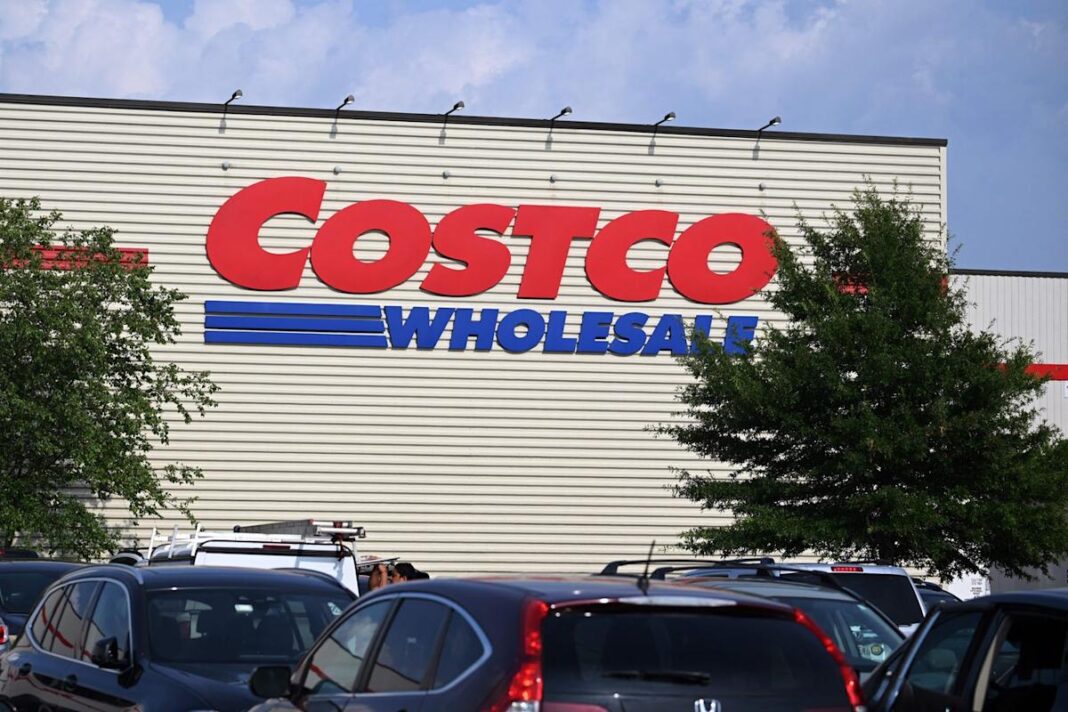
Costco (NASDAQ: COST) is a massive business. In fiscal 2025 (ended Aug. 31), it registered $270 billion in net sales. This huge sum makes it the world’s third-biggest retailer, behind only Walmart and Amazon.
Costco shares have historically performed very well. Over the past decade, for example, they’re up 429% (as of Dec. 23), providing a nice boost to investor portfolios. The retail stock is down 7% in 2025, though.
Before you hit the buy button, here are three must-know facts about Costco.

Through its 921 warehouse clubs, Costco sells merchandise ranging from groceries and apparel to electronics and home goods. But making lots of money on merchandise sales isn’t Costco’s key focus. The gross margin was just 11.3% in Q1 2026 (ended Nov. 23), which reveals that management implements low mark-ups on its inventory. Retail peers typically have much higher mark-ups on their goods.
Instead, Costco runs a thriving membership model. Consumers must pay an annual fee to enter a warehouse and shop for items. Costco’s membership count grew 5.2% year over year to 81.4 million in the last quarter, helping increase membership income to $1.3 billion. The worldwide renewal rate usually hovers around 90%, showcasing strong loyalty.
Memberships introduce a high-margin and recurring revenue stream. And they have proven pricing power. They also drive customers to visit stores more frequently, so they feel that the annual fee is worth it. This might explain why Costco has a stellar track record of posting same-store sales growth.
Great businesses are those that have economic moats, a term popularized by Warren Buffett. Costco excels in this area. Its moat is supported by a powerful cost advantage. Credit directly goes to the company’s incredible scale, as demonstrated by the previously mentioned fiscal 2025 net sales of $270 billion.
The average Costco club has about 4,000 stock-keeping units (SKUs). This is a significantly smaller number than the 30,000 SKUs a normal supermarket might carry. As a result of a narrow product focus, Costco buys large quantities of a limited number of goods. This gives it immense buying powerful and negotiating leverage over its supplier base, leading to low costs and everyday savings for shoppers. This cost advantage only improves over time, as greater sales support more supplier leverage that leads to ongoing savings. It’s a positive feedback loop.


