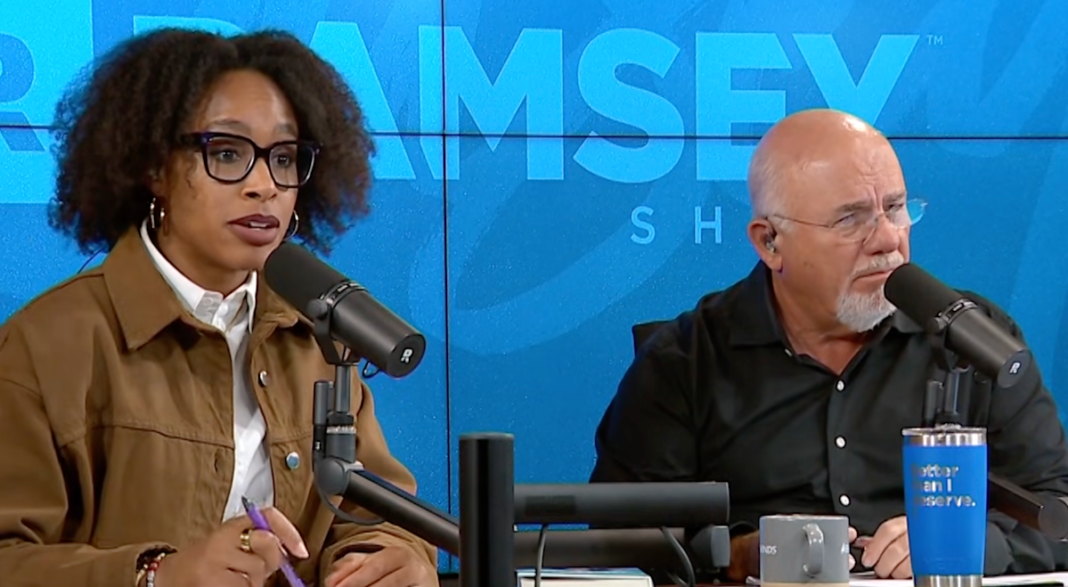
Brian, a 45-year-old from Minneapolis, has been engaged for eight months, but he’s been keeping a secret from his fiancé. He’s not hiding debt or a poor credit rating. Rather, he’s hiding the fact that he’s a multi-millionaire.
While his fiancé knows he has money, she has no idea Brian has a net worth of about $20 million. He makes about $700K a year, but he told The Ramsey Show that it probably doesn’t appear that way. “I live very frugal. Lived in the same house since 2005. Drive a vehicle from 2011” (1).
In a previous relationship, he discovered the woman was in it for the money. So now he’s cautious, even though he admits to paying off his fiancé’s $40,000 debt.
He’s now being told by his lawyer and by Dave Ramsey that he should get a prenup. But it’s awkward timing: he’s already proposed, she’s already said yes and he’s only now telling her about his true net worth.
A prenuptial agreement, or prenup, is a legally binding contract that defines asset and debt ownership between couples before they get married. Without one, assets would be divided according to state laws during a divorce.
While prenups tend to get a bad rap, they’re becoming more common among younger generations.
More than one in four (26%) Gen Z respondents to a 2025 Ally Bank survey said they’ve signed a prenup. And of Gen Z and millennial respondents, almost half (45%) say they would likely consider a prenup before getting married (2).
“Millennials are pragmatic, financially literate, and far more open to planning than generations prior ever were, treating prenups not as a prediction of divorce but as a healthy conversation about expectations and long-term stability,” Julia Rodgers, CEO of HelloPrenup, told Newsweek (3).
But that doesn’t make prenups easier to talk about. It’s still “one of the hardest conversations to bring to the table” and, even as prenups become more common, they “remain one of the last financial planning taboos” (2).
That conversation can be even more difficult when they happen after the engagement. If one partner has been hiding their financial situation, whether it’s wealth or debt, this late transparency could breed mistrust and even destabilize wedding plans.
But skipping a prenup when one partner is dramatically wealthier puts both financial and legal risks on the table. Ramsey, for example, doesn’t normally recommend prenups except “in situations where there’s extreme difference in their net worth.” And that’s the case with Brian and his fiancé.
“If you think that you need a prenup to protect you from her, don’t get married,” Ramsey told Brian. But if Brian trusts her, then Ramsey says getting a prenup is about protecting him from any of her “crazy relatives.”
“And she has one,” Brian points out.
Read More: The average net worth of Americans is a surprising $620,654. But it almost means nothing. Here’s the number that counts (and how to make it skyrocket)
Many financial experts believe that prenups are worthwhile, whether you’re high-net-worth or not. More than half (54%) of Americans with student loan debt would get a prenup to protect their partner from debt, according to LegalShield research. And millennials are signing prenups at 10 times the rate of baby boomers (4).
“Some people still think a prenup is a sign of mistrust, but it’s really an act of transparency. Many simply don’t want their spouse to pay for their past debt mistakes,” Rebecca A. Carter, a LegalShield provider lawyer with Friedman, Framme & Thrush, said in a statement (4).
There are other reasons to get a prenup, too. “For example, you may be bringing significant savings to the partnership, anticipate getting a significant inheritance in the future, or co-own a business that you want to protect,” according to Fidelity Wealth Management. “You may even have interest in a family business that would be difficult to divide” (5).
If you’re marrying in midlife, or remarrying, both parties are more likely to have significant assets, so in this case a prenup could also make sense. The same goes for couples with children from previous marriages, which can “help set expectations for future support,” according to Fidelity (5).
Fidelity recommends talking first (before bringing in lawyers) and signing a prenup “well in advance of the wedding date.” But full disclosure is “vital,” meaning you need to share all of your financial details: your income, what you own and what you owe (5).
“If you can carry the vulnerability required for this step into your marriage and remember to maintain financial honesty and transparency with your spouse (no matter your debt or level of wealth), you are already a step ahead of many other married couples who limit access to financial information from one another,” writes Sophie Jacobi-Parisi, J.D., M.S.W., a partner at Blank Rome LLP in New York City, in Psychology Today (6).
If you hide aspects of your financial situation, that may come back to bite you in the event of a divorce, not to mention create trust issues in your relationship.
While ideally prenups should be discussed before an engagement, there is such a thing as a postnup. This is a contract signed after marriage that outlines who owns which financial assets in the event of divorce or death.
In Brian’s case, Ramsey says this conversation should happen in person and start with an apology to his fiancé, for not trusting her enough to unpack this before he asked for her hand in marriage.
We rely only on vetted sources and credible third-party reporting. For details, see our editorial ethics and guidelines.
The Ramsey Show Highlights (1); Ally (2); Newsweek (3); Legal Shield (4); Fidelity (5); Psychology Today (6)
This article provides information only and should not be construed as advice. It is provided without warranty of any kind.