

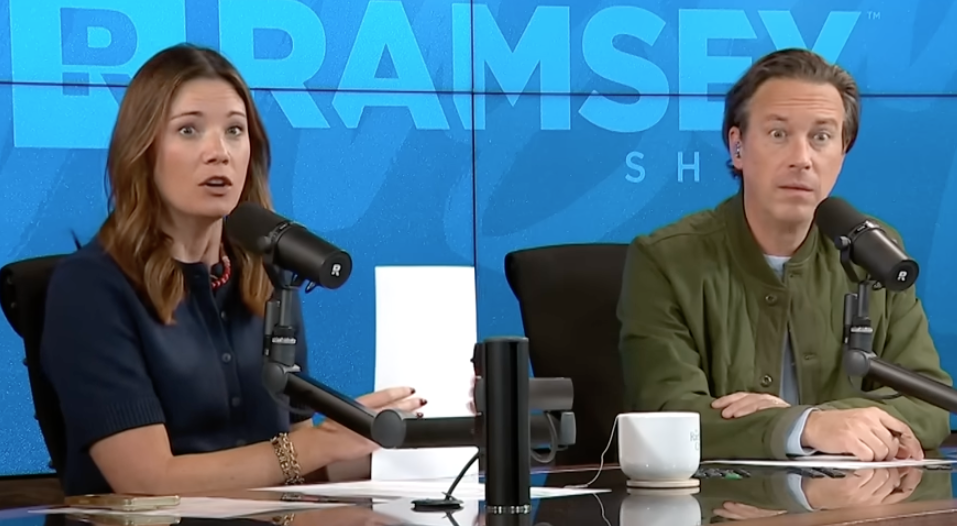

A 61-year-old truck driver recently called into The Ramsey Show with a question many Americans quietly wrestle with: Is it too late to buy a first home when you’re nearing retirement and have nothing saved?
“I’m going to be 62 next month,” Antoinette told hosts Rachel Cruze and Ken Coleman. “I don’t have anything saved for retirement, and I want to become a first-time homeowner.” But can she afford it?
The caller said she had no retirement savings, no money for a down payment, and roughly $8,000 in debt, mostly from credit cards and a car loan. She admitted she didn’t know how much she owed on her vehicle, the total loan balance, or how upside-down she might be after rolling negative equity from a previous car into a newer minivan.
The hosts pressed her on the basics (loan balances, interest rates, and monthly payments) and repeatedly ran into the same issue: she didn’t have a firm grasp on her own numbers. That lack of clarity, they argued, was a major red flag in itself.
Their advice was blunt: buying a home under these circumstances would be a mistake. Before even considering homeownership, the hosts said, she should eliminate her debt, sell the expensive vehicle, and redirect that cash flow toward retirement savings. Taking on a mortgage while carrying consumer debt and no retirement cushion, they warned, is a recipe for disaster (1).
This caller’s situation isn’t unique. Many Americans feel intense pressure to buy a home even when their finances aren’t ready. High housing costs, rising interest rates and a cultural emphasis on homeownership can make renting feel like “falling behind,” especially later in life.
But retirement can’t be ignored. According to Fidelity, the average person aged 60 to 64 has about $246,500 saved for retirement (2). That’s not a guarantee of comfort, but it’s far more than zero. Entering your 60s with no retirement savings leaves very little margin for error, especially when adding new fixed expenses like a mortgage, property taxes and home maintenance.
Debt compounds the problem. CNBC reports the average U.S. consumer carries $105,056 in total debt, including mortgages, credit cards, auto loans and other obligations (3). When debt payments eat into cash flow, they limit your ability to save, invest or handle emergencies. For someone nearing retirement, that squeeze can be especially dangerous.


