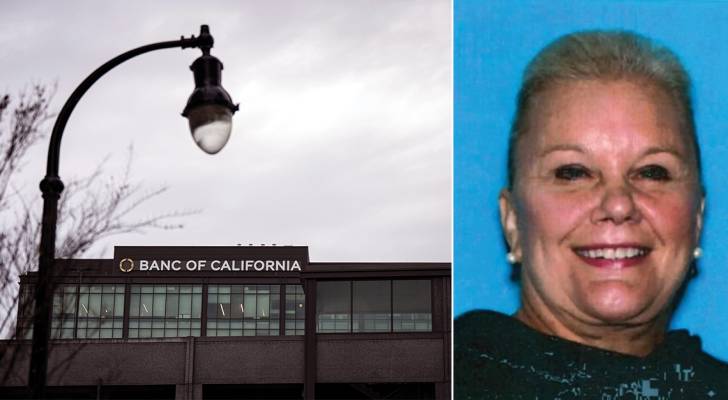
A woman who once worked behind the scenes on true-crime television shows is now at the center of a real-life federal investigation.
According to the Federal Bureau of Investigation, 73-year-old Mary Carole McDonnell has been added to its most wanted list for her alleged role in a years-long financial fraud scheme (1).
Investigators say she posed as a wealthy heiress tied to the McDonnell Aircraft family and used that identity to secure massive loans from banks.
Federal authorities allege that between July 2017 and May 2018, McDonnell fraudulently obtained approximately $14.7 million from Banc of California, along with more than $15 million from other financial institutions in Southern California. She allegedly claimed she had access to a “secret” $80 million trust fund and would soon repay the loans, money the FBI says she was never entitled to and has not paid back.
The McDonnell Aircraft Corporation was an aerospace manufacturing company founded in 1939 by James Smith McDonnell. It was known for developing jet engines for the U.S. Navy and for collaborating with NASA. The company later merged with Boeing. Mary Carole McDonnell is not, according to the FBI release, associated with the family that owned McDonnell Aircraft Corporation.
McDonnell is believed to be in Dubai, and anyone with information about her whereabouts should contact their local FBI office or the nearest U.S. Embassy or Consulate (4). The impact of her alleged crimes is a cautionary tale for banks.
At first glance, McDonnell’s alleged scheme may seem like a cautionary tale limited to banks, institutional lending and high-net-worth deception. But fraud experts say the mechanics of the case are strikingly familiar and increasingly relevant to everyday consumers.
The allegations show how perceived wealth, social status and insider access can be used to disarm even cautious financial institutions. By presenting herself as a well-connected heiress with access to a massive trust fund, McDonnell allegedly created a sense of inevitability. The money was coming, repayment was assured and questioning the story risked missing out or insulting someone powerful.
That psychological setup mirrors many consumer-facing scams, even when the dollar amounts are far smaller. Romance scams often hinge on promises of future wealth or business success. Investment scams dangle early access to exclusive opportunities. Impersonation scams rely on borrowed authority, posing as executives, government officials or relatives in distress.
According to the Federal Trade Commission, consumers lost more than $12.5 billion to fraud in 2024, representing a sharp increase from the previous year. While many scams target individuals through romance schemes, fake investments or impersonation plots, the underlying psychology is often the same. Victims are persuaded that a rare opportunity or powerful connection justifies ignoring red flags.
What stands out in the McDonnell case is that investigators say it did not rely on technical hacking or forged documents. Authorities add she built a persona rooted in real history, recognizable institutions and believable timelines, making her claims feel legitimate.
Read More: The average net worth of Americans is a surprising $620,654. But it almost means nothing. Here’s the number that counts (and how to make it skyrocket)
Cases like this underscore an uncomfortable reality. Scams are no longer limited to misspelled emails or obvious phishing attempts. They’re often layered, patient and designed to look credible.
Common red flags include:
-
Claims of secret or inaccessible wealth: References to trust funds, frozen accounts, inheritances or pending payouts are recurring themes in fraud attempts.
-
Borrowed credibility: Name-dropping well-known companies, families or institutions to build trust without providing verifiable documentation.
-
Pressure to move quickly: Urgency is used to short-circuit skepticism, whether through limited-time offers or looming deadlines.
-
Discouraging verification: Victims may be told that confidentiality is required or that asking questions could jeopardize the “deal”.
To protect yourself, consumer advocates recommend a few practical steps:
-
Slow down high-stakes decisions: Fraud thrives on urgency. Taking time to verify claims can help expose inconsistencies.
-
Independently verify identities and assets: Check public records, regulatory filings, and third-party confirmations, especially when large sums are involved.
-
Be wary of guarantees: Legitimate investments and loans generally cannot be promised. All investments carry some level of risk.
-
Talk it through with someone else: A neutral third party can often spot warning signs that are easy to miss under pressure.
-
Report suspicious activity: Even if no money changes hands, reporting attempted fraud can help authorities identify patterns and protect others. Consumers can start at reportfraud.ftc.gov/.
While the McDonnell case involves banks and millions of dollars, the takeaway is universal. Trust should never replace verification. As fraud schemes become more sophisticated, skepticism remains one of the most effective tools consumers have to protect themselves.
We rely only on vetted sources and credible third-party reporting. For details, see our editorial ethics and guidelines.
USA Today (1).
This article provides information only and should not be construed as advice. It is provided without warranty of any kind.