

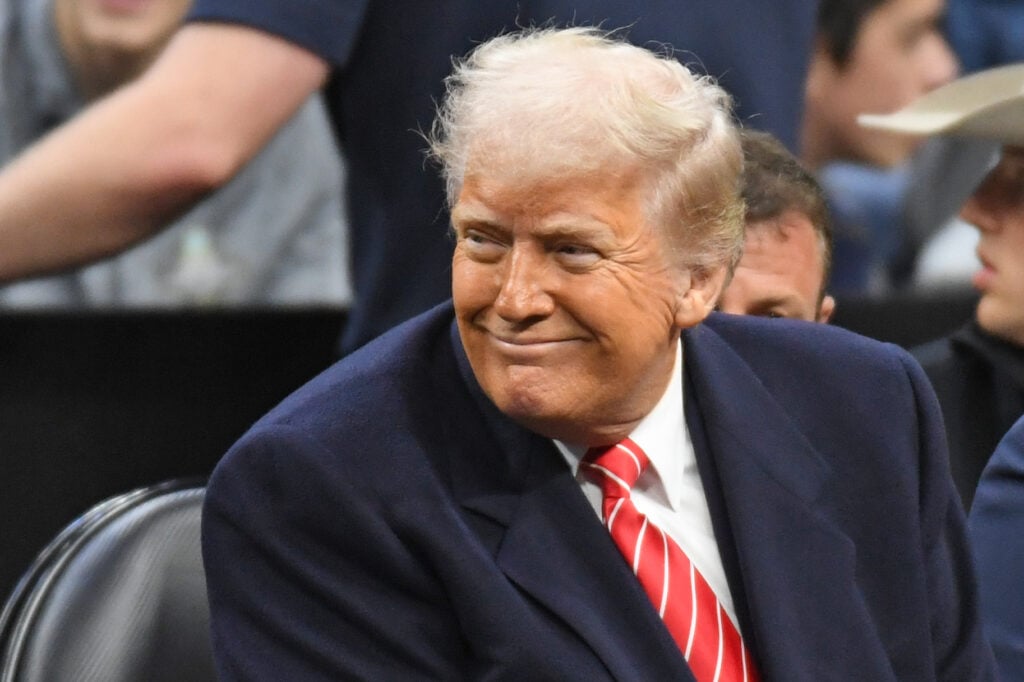

On a recent episode of “The Ramsey Show,” personal finance expert Dave Ramsey called the so-called “Trump Accounts” a “political stunt.”
These federally established investment accounts for children, established under the One Big Beautiful Bill Act last year, include a one-time $1,000 government contribution for eligible children, along with the option for families to contribute up to $5,000 annually. Ramsey dismissed the program as more politics than substance.
Don’t Miss:
When a caller wanted to know if this new account type, touted as a hybrid between a 529 education plan and a Roth IRA, was worth incorporating into their savings strategy. Ramsey was firm: “No. I would not be doing any of this.”
“I’m a fan of some of the things the president is doing. I’m not a fan of some of the things the president is doing,” he said. “I think this is a political stunt… it’s just spreading around the money to get people’s attention to a political office.”
Co-host Jade Warshaw agreed, calling it a “money squirrel”—a flashy but ultimately unhelpful distraction. “It’s not that big a deal. You’ve got other ways to save,” Ramsey added. “It’s not as revolutionary as the original Roth was. It’s not as revolutionary as the 529 is.”
Economist and SchiffGold founder Peter Schiff also weighed in on the “Trump Accounts,” calling the policy both unconstitutional and fiscally irresponsible.
“The federal government giving newborns $1,000 to invest in the stock market isn’t only unconstitutional, it’s a bad idea,” Schiff posted on X in June. “Rather than taking on more debt that those babies will grow up to repay, it’s better to reduce deficit spending now, so they don’t have to pay for it later.”
In a follow-up reply, Schiff added: “It’s just a gimmick that takes the focus away from the greater harm they are doing to newborns with the Big, Beautiful Bill.”
See Also: Missed Tesla? EnergyX Is Tackling the Next $200 Billion Opportunity — Lithium
While Ramsey and Schiff warn against quick political fixes, some Americans are turning to long-term strategies that don’t rely on the government.


