

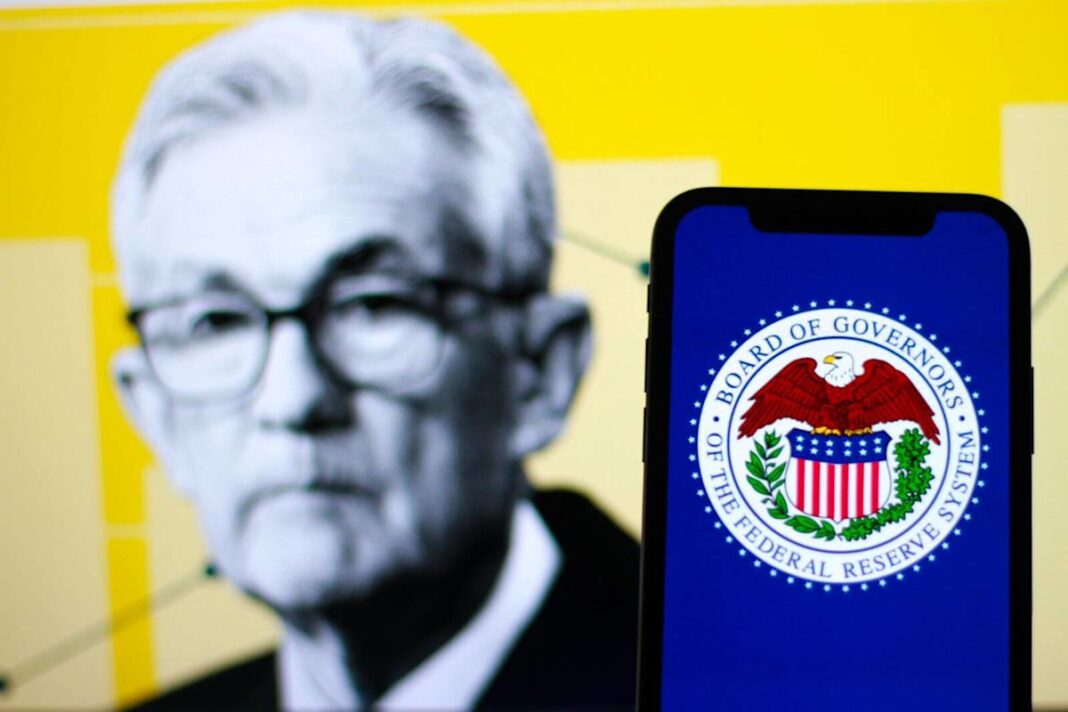

Fed Chair Jerome Powell is confronting an unprecedented institutional crisis, as the Department of Justice initiated a criminal investigation into his conduct regarding Federal Reserve headquarters renovations – a move that fundamentally challenges the central bank independence at a critical juncture in his tenure. Powell delivered a rare and direct public response through an unusual Sunday evening video statement, in which he characterized the probe as a pretext to coerce monetary policy decisions toward President Trump’s preferred aggressive interest rate reductions rather than genuine oversight of building costs.
This escalation represents a stark departure from historical norms, with Powell explicitly framing the investigation as retaliation for the Fed’s independent interest rate decisions based on economic assessments rather than presidential preferences. Despite differences with Fed chairs and central bank policy, presidents have historically respected the institutional autonomy of monetary policymakers. Powell’s explicit framing of the investigation as an assault on data-driven monetary policy versus politically directed decisions has crystallized the debate over central bank independence from abstract institutional theory into immediate tradable risk.
Global financial markets have reacted to the investigation announcement, with the U.S. Dollar Index ($DXY) opening in the red, gold futures (GCG26) surging to record highs above $4,600 per ounce, and Treasury yields bifurcating: shorter-dated instruments are declining, while longer-dated securities are climbing on credibility deterioration concerns. Separately, the Cboe Volatility Index ($VIX) popped more than 9% at the open. These asset movements reflect investor repricing of institutional risk rather than confidence in Powell’s ability to maintain rate-setting authority against sustained political pressure.
The investigation threatens to establish precedent for executive interference in monetary policy that extends far beyond Powell himself, creating a chilling effect on future Fed leadership decisions. Market participants recognize the probe as a warning signal to prospective Fed leadership, particularly Trump-aligned candidates under consideration as Powell’s successor, signaling that deviation from presidential preferences may invite legal scrutiny and institutional pressure.


