

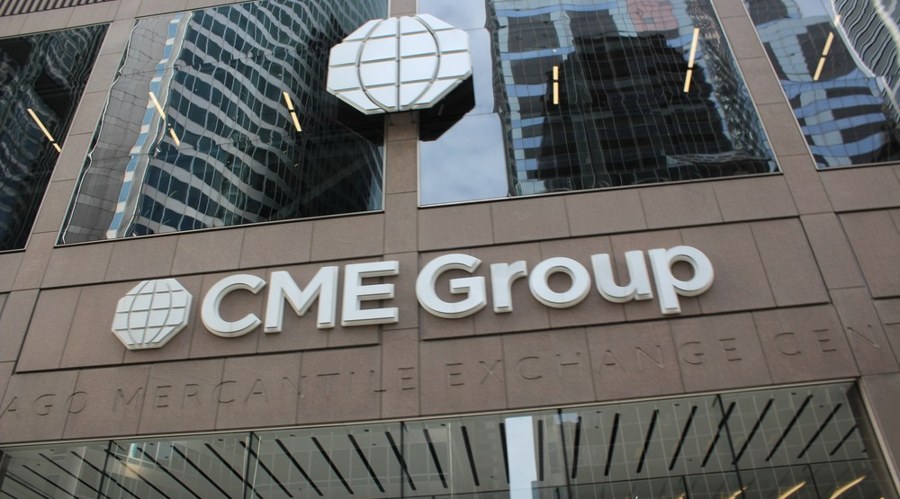

CME Group
switched to a new margin calculation system for precious metals futures today
(Tuesday), moving away from fixed dollar amounts to percentage-based
requirements after gold and silver hit record highs this week.
The
exchange now sets margins for gold, silver, platinum and palladium contracts as
a percentage of notional value rather than specific dollar figures. The
adjustment went into effect after Tuesday’s close following what CME described
as a routine volatility review.
Dollar Amount System
Couldn’t Keep Pace with Gold and Silver Surge
The old
system required frequent manual adjustments as precious metals rallied and
price swings intensified. Gold surged to
$4,568 on January 12,
entering what analysts call price discovery phase with no clear resistance
levels ahead. Silver
gained about 20% in just the first two weeks of 2026, pushing CME to raise
margins multiple times last year as speculative trading picked up.
CME’s
notice to clearing members noted that the exchange “currently sets margins
for Gold, Silver, Platinum and Palladium based on a dollar amount” but
“with this change, CME will be setting margins for Gold, Silver, Platinum
and Palladium based on a percentage of notional.”
Under the
percentage method, gold futures now require 5% maintenance margin for standard
accounts and 5.5% for higher-risk positions. Silver margins stand at 9% and
9.9% respectively. Platinum margins are set at 9% and 9.9%, while palladium
requires 11% and 12.1%.
The
percentage approach automatically scales margin requirements up or down with
price movements. CME made at least three margin adjustments in the fourth
quarter of 2025 alone using the old dollar-based system. The exchange
has been expanding its metals offerings while also growing its footprint in
emerging markets.
Short-Term Pressure
Expected
Christopher
Wong, a strategist at Oversea-Chinese Banking Corp., said
to Bloomberg the changes “may temporarily weigh on precious metals”
as traders adjust to higher collateral requirements at current price levels.
The
percentage-based method should reduce the need for frequent adjustments going
forward, though CME could still raise the percentage itself if volatility
exceeds historical norms or unexpected events occur.
Clearinghouses
like CME require brokers to post cash margins daily to cover potential losses
on client positions. These deposits help ensure clearing members can meet their
obligations to customers and the clearinghouse itself. The system becomes
particularly important during volatile periods when daily price swings can
exceed 5% or more.
CME opened a
Dubai office last year as Middle East trading volumes climbed, adding another regional
hub to its global network. The exchange has been dealing with elevated metals
trading activity across multiple time zones as both institutional and retail
participants chase the rally.
Fed Crisis Fuels Haven
Demand
Multiple
factors are driving the precious metals surge beyond typical seasonal patterns.
Concerns about Federal Reserve independence emerged after reports of a criminal
investigation into Fed Chair Jerome Powell.
Dollar
weakness and expectations for additional interest rate cuts have also supported
prices. Silver faces additional speculation about potential US import tariffs,
adding another layer of volatility to an already turbulent market.
The
percentage-based margin system mirrors approaches used for other volatile asset
classes where fixed dollar amounts quickly become outdated during trending
markets. CME processes millions of precious metals contracts monthly across its
various gold, silver, platinum and palladium products.
This article was written by Damian Chmiel at www.financemagnates.com.
Source link


