

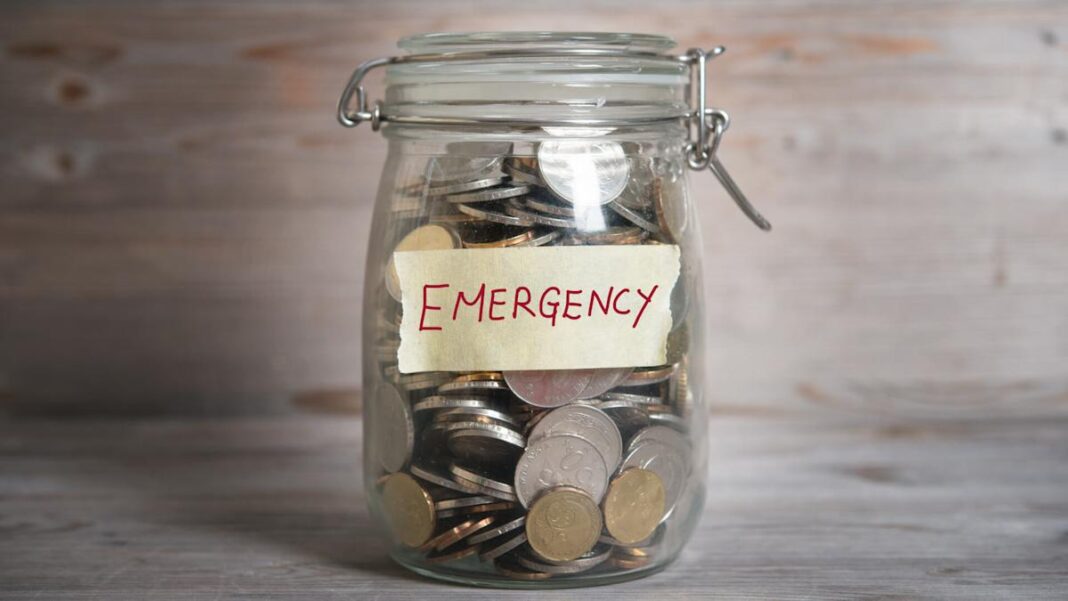

With sweeping tariffs at levels not seen in decades, consumers are seeing rising prices throughout their monthly budgets. Meanwhile, healthcare premiums and deductibles are climbing, housing and auto insurance costs are soaring and inflation remains above the Federal Reserve’s comfort zone. In this environment the traditional “three to six months” emergency fund rule simply may not cut it.
Here are five signs your emergency fund isn’t keeping up with President Donald Trump’s economy.
Inflation may have cooled slightly, but that doesn’t mean your expenses have gone down, according to Joseph M. Favorito, a CFP and managing partner of Landmark Wealth Management, LLC. Prices for essentials remain far higher than they were just a few years ago. If your emergency fund hasn’t grown alongside your monthly costs, it may no longer offer enough protection.
Andreas Jones, certified financial education instructor (CFEI) and founder of KindaFrugal.com, suggested “a baseline of four to six months of essential expenses for most households.” He warned that “the old three-month rule doesn’t stretch as far anymore because inflation has pushed up the cost of groceries, utilities and car insurance.” The margin for error is just smaller now.
Find Out: 8 Smart Ways Frugal People Are Living Like There’s Already a Recession
Read Next: How Middle-Class Earners Are Quietly Becoming Millionaires — and How You Can, Too
Unexpected costs can drain a too-small fund in a single blow. If an emergency would push you to use credit cards or sell investments, your cushion isn’t big enough.
“The biggest surprise expenses I see today are car repairs and medical deductibles,” Jonas said. “Both have climbed steeply over the past decade and can wipe out savings in a single hit.”
Taylor Kovar, CFP, founder and CEO of 11 Financial, added that home and auto insurance premiums, bigger medical deductibles and increased costs for child care or caring for aging parents are also taking a toll on people’s budgets. “For anyone with variable income or contract work, it’s best to save even more since those income gaps can last longer than expected.”
One consequence of not having an adequate emergency fund is that you can be forced to sell assets at inopportune times, Favorito said, “such as liquidating a stock portfolio and realizing an unnecessary tax liability.”
“Income stability is also important,” Jonas said. He and the other experts say that while a six-month fund might work for salaried workers, freelancers and gig earners should aim higher.


