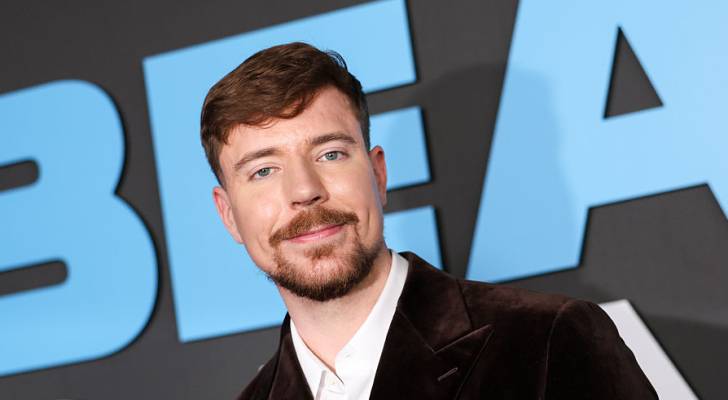
YouTube megastar Jimmy “MrBeast” Donaldson has built an empire on viral stunts and massive cash giveaways. Now, according to Business Insider, he’s planning to launch a YouTube channel focused on financial literacy, to teach his hundreds of millions of followers about investing and topics like what are Roth IRAs (1).
The timing raises eyebrows. Donaldson’s Beast Industries is simultaneously launching MrBeast Financial, a financial services business that could include student loans and insurance products (1).
Is there a potential issue? If a creator with MrBeast-level influence markets products while simultaneously offering education about those same products, the line between advice and advertising becomes blurry.
Donaldson isn’t just another YouTuber. According to rankings by daily analytics tracker Social Blade, MrBeast is the platform’s most-subscribed channel, with 461 million subscribers (2).
Across all his channels combined, he commands more than 476 million subscribers, according to Sportskeeda data (3). His core viewers are teenagers and young adults, Fortune reports (4) — a demographic that can be vulnerable to financial missteps.
When someone with that reach discusses products, viewers can (unknowingly) struggle to distinguish education from marketing.
Donaldson’s plans also put him in a high-liability industry, with financial services being among the most heavily regulated in America. Loans and insurance carry significant long-term costs and risks requiring careful disclosure and consumer protection.
According to Federal Trade Commission (FTC) guidelines, influencers must “clearly and conspicuously” disclose any material connection to products they endorse (5). But financial products face even stricter scrutiny.
The U.S. Securities and Exchange Commission (SEC) and the Financial Industry Regulatory Authority (FINRA) actively pursue enforcement actions against “finfluencers” who promote financial products without proper disclosures.
For example, in 2022, Kim Kardashian paid $1.26 million to settle SEC charges (6) for promoting cryptocurrency without disclosing her $250,000 payment.
According to compliance experts, the SEC can remove finfluencers from securities-related marketing entirely and can work with the U.S. Department of Justice to pursue criminal penalties when warranted (7). Per FTC guidance, violations can result in civil penalties up to $53,088 per violation (8).
Read More: The average net worth of Americans is a surprising $620,654. But it almost means nothing. Here’s the number that counts (and how to make it skyrocket)
Donaldson’s proposed MrBeast finance channel has the potential to raise a question of conflict if he also promotes his own products on that same station: can viewers trust educational content when the educator has another business that directly profits from selling the products being discussed?
Money in MrBeast videos is treated as entertainment. In a story about the YouTuber’s Amazon Prime show Beast Games, Business Insider’s Katie Notopoulous wrote about feeling compelled to explain to her elementary school-aged son, who watched with her, that real-world money isn’t simply “an object to build into pyramids or toss around in bags” (9).
Now, imagine the content creator explaining Roth IRAs, student loans or insurance products while simultaneously selling those products through MrBeast Financial. Even with proper disclosures, will it be possible for viewers to separate genuine advice from sales pitches?
If MrBeast or any creator-turned-advisor offers educational content, approach it with caution:
Assume it’s marketing. Educational content from someone selling financial products should be treated as advertising, unless clearly disclosed otherwise.
Check the profit motive. Before following financial advice from a creator, ask yourself: Does this person make money if I follow this advice? If yes, seek independent verification.
Verify with licensed professionals. Entertainment figures are not usually fiduciary advisors. Verify any advice with independent, licensed financial advisors who have legal obligations to act in your interest.
Understand long-term costs. Financial products like loans and insurance carry costs extending for years or decades. Influencer charisma cannot erase interest rates, fees or coverage limitations.
Look beyond disclosures. Even properly disclosed sponsorships can mislead when educational tone masks sales intent.
The real issue isn’t whether Donaldson has good intentions. It’s whether creator-driven financial education can be truly independent when the creator profits from selling financial products.
We rely only on vetted sources and credible third-party reporting. For details, see our editorial ethics and guidelines.
Business Insider (1), (9); Social Blade (2); Sportskeeda (3); Fortune (4); Federal Trade Commission (5), (8); U.S. Securities and Exchange Commission (6); Attorneys of Oberheiden (7);
This article provides information only and should not be construed as advice. It is provided without warranty of any kind.