


South Korean banks are edging toward easier credit in early 2026, but tight household debt controls keep the shift cautious.
Summary:
-
Banks’ lending sentiment turns positive for first time in a year
-
Mortgage and corporate lending conditions ease modestly
-
Household debt controls remain firmly in place
-
Potential support for KOSPI financials and cyclicals
-
Won impact likely secondary to global factors
South Korean banks are signalling a tentative shift toward easier lending conditions in early 2026, even as authorities continue to clamp down on household borrowing, according to a central bank survey released Monday.
A quarterly survey by the Bank of Korea showed the index tracking banks’ lending attitudes rose sharply to 8 for the January–March period, from -21 in the final quarter of 2025. A positive reading indicates that more lenders plan to ease credit standards rather than tighten them, marking the first time sentiment has turned positive since early 2025.
The improvement was broad-based. Banks’ appetite for home mortgage lending rebounded, with the index rising to 6 from -44, while lending sentiment toward large corporates and small- and mid-sized enterprises stood at 6 and 11, respectively. Bank officials expect housing-related loan demand to edge higher, supported by home purchases and demand for lease financing, while credit conditions for businesses remain generally accommodative despite lingering risks among smaller firms.
The cautious easing comes against a backdrop of continued regulatory pressure. The government has rolled out targeted restrictions on home purchases and borrowing in the greater Seoul area as part of efforts to cool an overheated property market and contain household debt levels. Those measures are expected to limit the pace of credit expansion even as banks grow marginally more willing to lend.
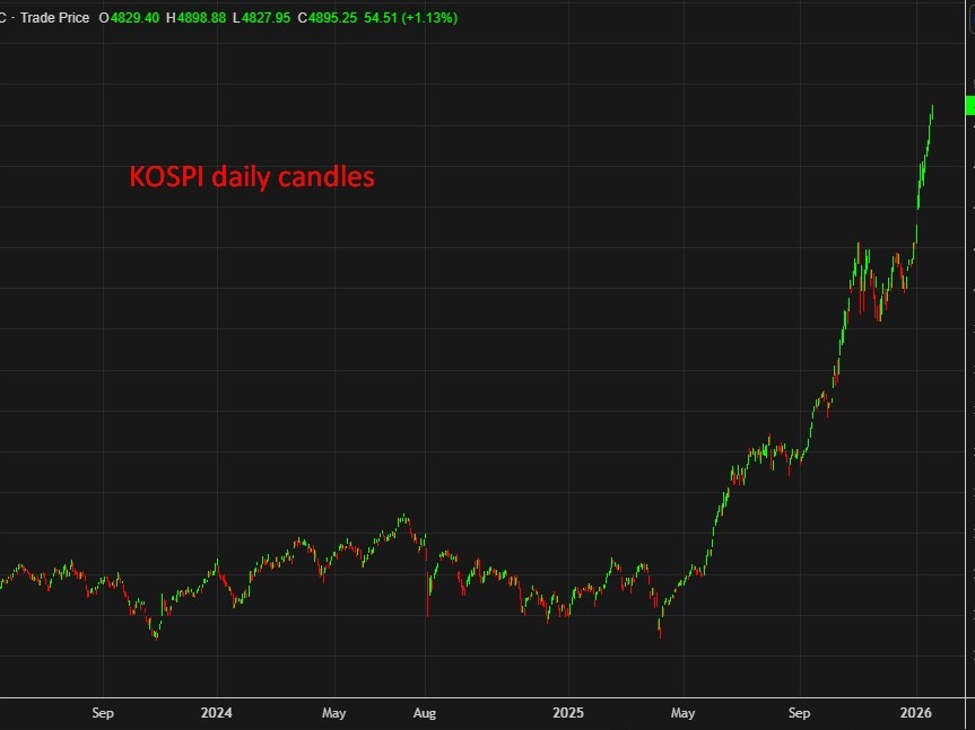
From a market perspective, the shift has mixed implications. A gradual easing of credit conditions could support domestic growth expectations and provide a modest tailwind for South Korean equities, particularly financials and cyclically exposed stocks within the KOSPI. Improved loan growth prospects may help stabilise bank earnings after a period of regulatory-driven caution.
For the won, the impact is more nuanced. Easier domestic credit could underpin growth-sensitive sentiment, but ongoing efforts to restrain household leverage and a still-cautious policy stance from the central bank suggest limited downside pressure. Currency moves are likely to remain driven primarily by global risk appetite, U.S. rate expectations and regional capital flows rather than domestic credit dynamics alone.
Overall, the survey points to a carefully calibrated shift rather than a full pivot, with policymakers and banks alike seeking to balance growth support against financial stability risks.


