


By Mike Dolan
Jan 21 –
What matters in U.S. and global markets today
By Mike Dolan, Editor-At-Large, Finance and Markets
World markets took a sharp intake of breath first thing Wednesday as a heavy selloff in stocks, bonds and the dollar abated while investors waited to hear from President Trump in Davos later in the day.
What will Trump do next regarding his tariff threats against Europe over Greenland? That is hard to gauge, even though the President insists he won’t back down and European leaders are standing firm on their pledge to retaliate if February 1 tariffs take effect.
I’ll get into all that and more below.
But first, check out my latest column on why the prospect of rising Treasury yields may make the Trump administration think twice about initiating a Transatlantic trade war.
And listen to the latest episode of the Morning Bid daily podcast. Subscribe to hear Reuters journalists discuss the biggest news in markets and finance seven days a week.
Today’s Market Minute
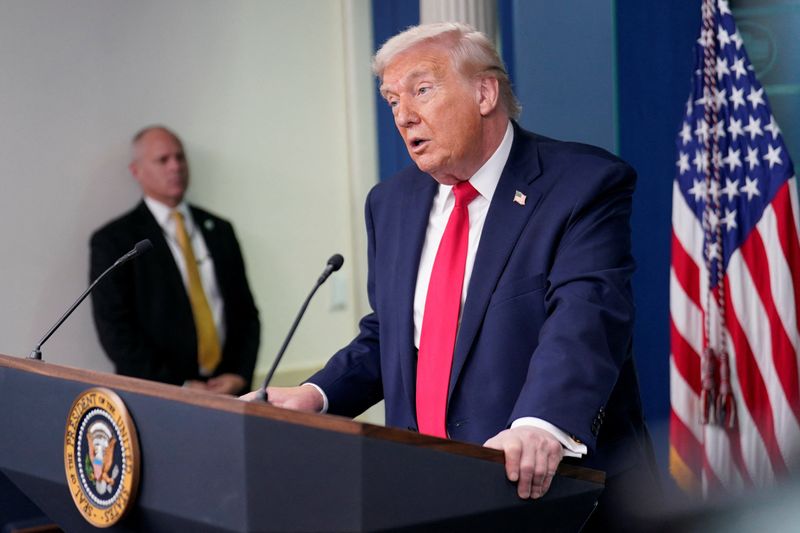
* U.S. President Donald Trump arrives in Davos on Wednesday and is likely to use the WEF to escalate his push to acquire Greenland despite European protests.
* Britain and China aim to revive a “golden era” business dialogue when Prime Minister Keir Starmer makes a planned Beijing visit next week, said three sources familiar with the initiative.
* Netflix has switched to an all-cash offer for Warner Bros Discovery’s studio and streaming assets without increasing the $82.7 billion price in a bid to shut the door on Paramount‘s rival efforts to snag the Hollywood giant.
* Europe’s dependence on U.S. energy could become a bargaining chip for President Trump in the standoff over Greenland, writes ROI Energy Columnist Ron Bousso.
* How exactly does an investor price global regime change? ROI Markets Columnist Jamie McGeever considers this question in his latest column.
TRUMP LANDS, MARKETS WAIT
The White House may shrug off any fallout from the simmering transatlantic trade war on U.S. stocks or even the dollar, but a surge in U.S. Treasury yields could prove especially toxic for Donald Trump’s administration in a mid-term election year.
Whether that would be enough to make the U.S. president back down – as some believe a Treasury yield spike did after the “Liberation Day” tariff salvo last April- is an open question, one that raises the stakes for investors in U.S. debt and for the administration itself.
Financial turbulence surrounding the initial Trump tariff sweep last spring subsided quickly. But global investors may have grown complacent in assuming that deals eventually get done, helped by the unwillingness of European allies to ruffle U.S. relations.


