

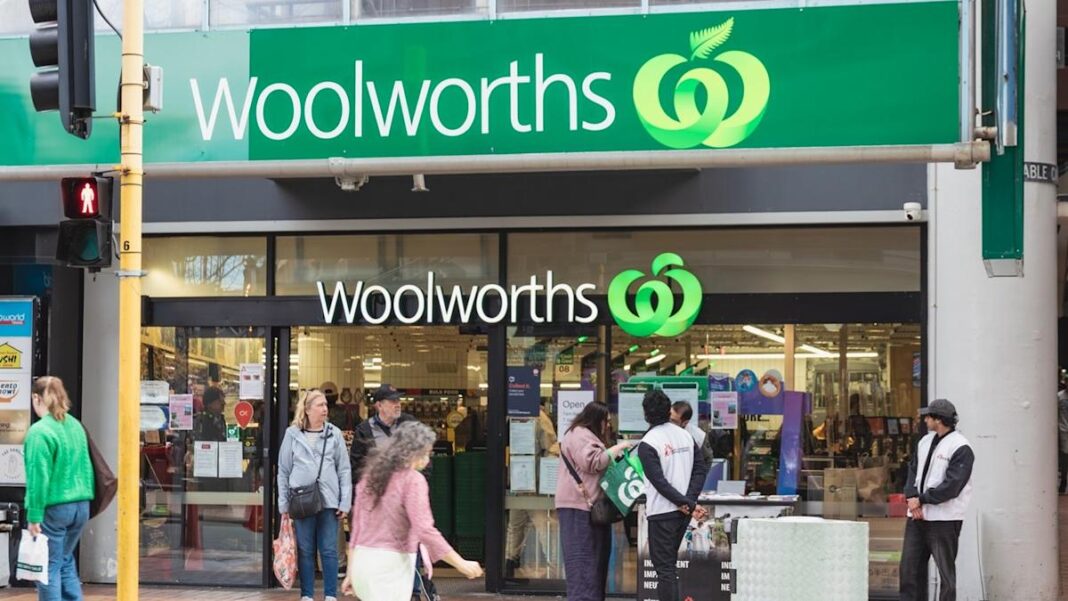

New Zealand’s competition watchdog has warned food retailer Woolworths over its processes to delist products.
In a statement today (22 January), the Commerce Commission said delistings by Woolworths’ New Zealand arm could be a “likely breach” of the Grocery Industry Competition Act.
The Commerce Commission said there had been an assessment of “major” supermarkets’ range review processes to check compliance with the Grocery Supply Code.
The regulator said during its review it identified and investigated “instances” where it considered Woolworths was “at risk of not meeting their obligations”.
However, it stressed that only a court can determine whether a breach has occurred.
Reacting to the Commerce Commission’s findings, a spokesperson for Woolworths told Just Food: “We take our obligations under the Grocery Supply Code seriously and we are proud of the strong relationships we have with our suppliers.
“We work hard to make sure we comply with all of our obligations under the code. If we become aware of potential issues, we fix them as quickly as we can.
“We reviewed and updated all of our templates when the code first came into force, but the Commission expressed concerns about whether one of our template letters included specific language that was required under the code.”
The spokesperson further said: “We fully cooperated with the Commission’s enquiries and have updated our template letter in light of the Commission’s views.”
The Commerce Commission said Woolworths has updated its processes to meet its obligations.
Under the Grocery Supply Code, supermarkets in New Zealand must follow rules when running range reviews that determine which products remain on shelves.
An updated Grocery Supply Code is due to come into force on 1 May.
According to the Commerce Commission, the revised rules give suppliers “clearer rights” to challenge delisting decisions and “greater transparency” in dealings with the major chains.
A breach of the code amounts to a breach of New Zealand’s Grocery Industry Competition Act.
Alice Hume, head of groceries at the Commerce Commission, highlighted the market power of the country’s largest supermarket operators, noting Woolworths, Foodstuffs North Island and Foodstuffs South Island together control about 82% of New Zealand’s grocery sector.
“Losing access to such a large portion of the market can effectively signal the end of a smaller supplier,” she said.
“The possibility of products being removed from shelves is a significant weight on suppliers that can reinforce the power imbalance between major supermarkets and smaller suppliers.


