


European stock markets stayed mostly flat on Monday morning. Market participants were hesitant to make big moves because of recent global political tension and the upcoming meeting of the US Federal Reserve later this week.
While the main European index (the STOXX 600) rose very slightly, different industries saw mixed results; insurance companies saw some gains, while travel and leisure companies saw their stock prices drop.
Much of this caution comes from the market’s reaction to President Trump’s recent threats regarding trade and taxes (tariffs). Even though those specific threats were taken back, markets are still worried that using tariffs as a bargaining tool could become a common trend that hurts global trade in the long run.
Additionally, while most people expect the US Federal Reserve to keep interest rates the same this week, there is a lot of talk about whether the central bank is able to make decisions independently from political pressure.
In specific company news, car manufacturers saw a small dip in their stock prices, even though reports suggested India might significantly lower the taxes it charges on cars imported from Europe.
Meanwhile, the French food company Danone saw its shares drop after it announced a recall of certain baby formula products in specific markets.
On the FX front, The US dollar index weakened on Monday, hitting its lowest level in four months.
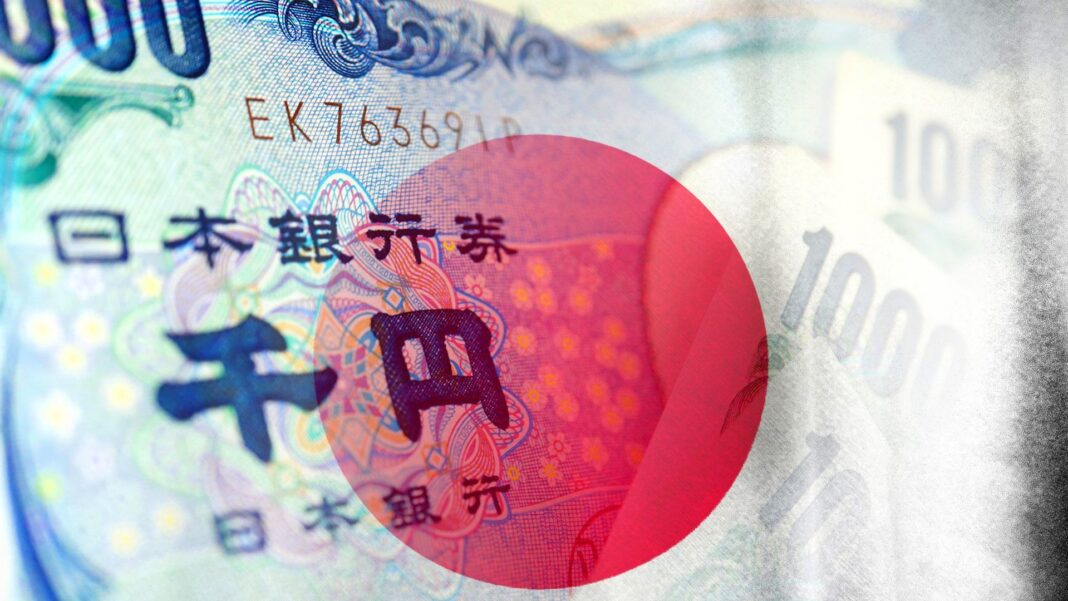
At the same time, the Japanese yen surged to its strongest point since November, jumping more than 1% against the dollar. The euro also performed well, reaching a four-month high.
These big moves happened because of reports that the New York Federal Reserve was checking uSD/JPY currency rates, an action usually seen as a sign that the US and Japan might step in together to control the market.
Japanese officials have been careful with their words. While the Finance Minister, Satsuki Katayama, refused to comment on whether they were checking rates, another top official, Atsushi Mimura, confirmed that Japan is working closely with the US and will take the necessary steps to manage the currency.
Because the dollar was losing value, other currencies like the British pound, the Australian dollar, and the New Zealand dollar also climbed to their highest levels in months.
Currency Power Balance


