

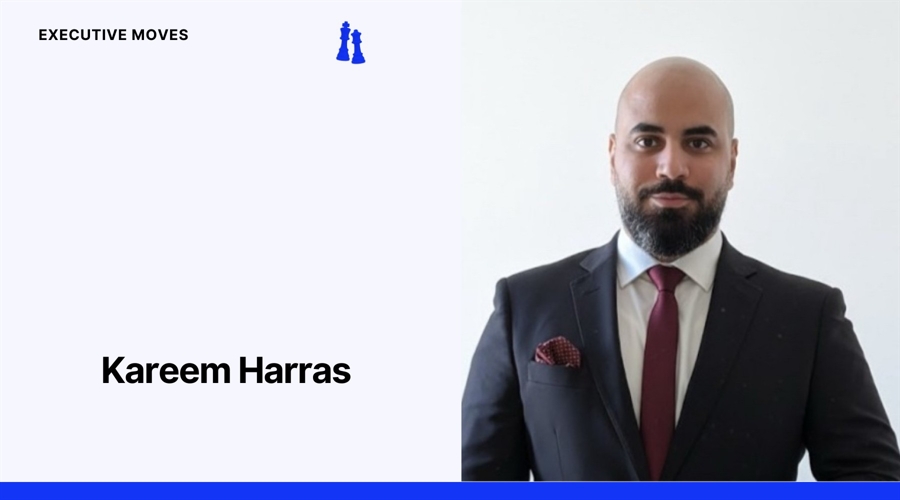

Liquidity provider Match-Prime Liquidity has appointed Dubai-based
executive Kareem Harras as Head of MENA, tasking him with leading the firm’s
expansion across the Middle East and North Africa.
The move underlines the liquidity provider’s push to
win more business from brokers and trading firms in a region that continues to
attract global players.
Harras is expected to drive regional strategy, oversee client
acquisition and deepen relationships with brokers and other institutional
clients that tap its liquidity solutions. He will operate from Dubai, a key hub
for FX and CFD providers that target traders across the Gulf and wider MENA
markets.
New Regional Head for MENA
He brings extensive experience in
trading and brokerage roles, including senior business development posts at
regional and international firms. Before joining Match-Prime, he served as Vice
President of Business Development at neobroker amana.
Additionally, his earlier positions include Head of
MENA Sales at OnePro and senior roles at Exinity, ATFX Arabic, and MultiBank
Group, where he worked with high-value clients and focused on growing regional
volumes.
Other recent moves: Digital Prime Broker GCEX Recruits CoinW Executive for MENA Push
Match-Prime provides multi-asset liquidity to brokers
and institutional clients and has highlighted MENA as a growth market as more
firms seek technology-driven liquidity and infrastructure.
Match-Prime Targets Growth in MENA
By installing a dedicated regional head with a long
track record in the local brokerage space, the firm aims to strengthen its
presence and sharpen its offering for clients in the region.
Match‑Prime Liquidity is a regulated provider that
supplies Forex and CFD brokers with market prices and spreads across a wide
range of currency pairs, metals, indices, and crypto assets.
The liquidity provider earlier introduced an upgraded cryptocurrency liquidity service designed for CFD and forex brokers, expanding
its coverage of major and minor digital assets.
The solution provides brokers with greater flexibility
through higher leverage limits and increased net open position (NOP)
thresholds, catering to growing institutional demand for crypto-based trading
instruments.
This article was written by Jared Kirui at www.financemagnates.com.
Source link


