

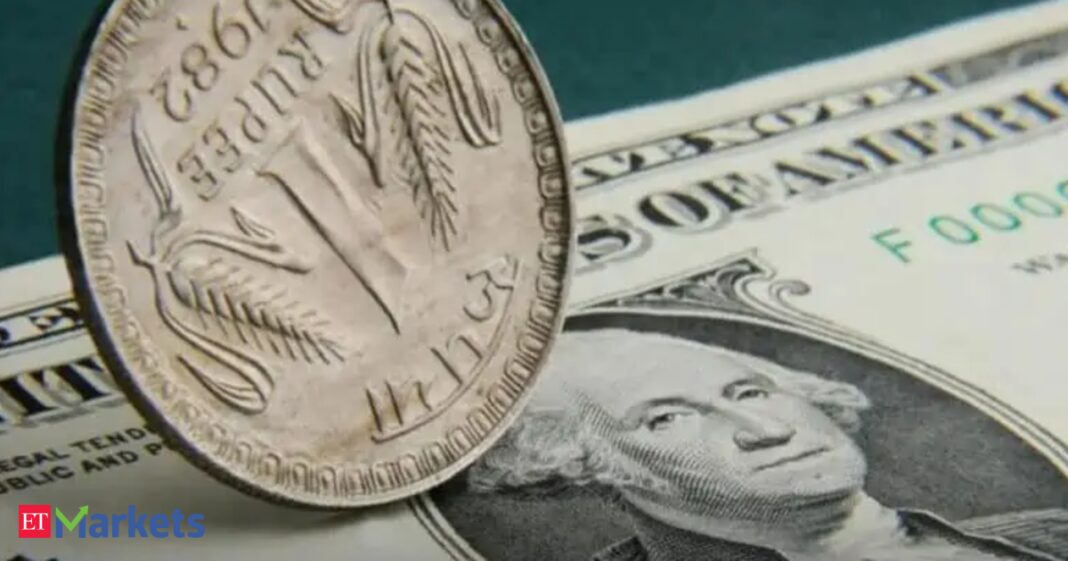

Rupee’s stability comes amid heightened global market uncertainty, as the Dollar Index fell below 100 for the first time in nearly a year.
A combination of softer US monetary policy, geopolitical tensions, and evolving rate cut expectations are driving volatility across global currency markets—raising questions about whether the Dollar can reclaim its lost strength, according to a report by Emkay Wealth Management.
Dollar index down Nearly 9% Since Early 2025
Emkay Wealth Management noted that since January 2025, the US Dollar Index has dropped nearly 9%, falling from 109.96 to around 98.60 at present.This trend reflects a structural shift in global currency markets, as expectations of further rate cuts by the US Federal Reserve gain traction.

The US Dollar has remained weak against the Pound Sterling and Euro, although it has shown some selective strength against the Japanese Yen. Against the Chinese Yuan, the depreciation has been more pronounced, signalling continued pressure in the Asian currency complex.
Emkay attributes this weakness primarily to the Fed’s accommodative stance, which has already brought the Fed Funds Rate down to the 3.50–3.75% range, with further cuts anticipated.
Monetary policy, geopolitics driving uncertainty
Currency market sentiment, Emkay notes, is also being shaped by uncertainty around a potential leadership change at the Federal Reserve in mid-2026. Market expectations suggest that a new Chair might align policy more closely with executive priorities, potentially sustaining a low-interest-rate environment.
In parallel, geopolitical factors continue to impact market volatility. Emkay’s report points to recent developments in Venezuela and Iran, which have raised concerns over energy supply chains and global trade flows. Any disruptions in oil shipping routes, it notes, could lead to temporary flight-to-safety flows back into the US Dollar, even amid its broader weakening trend.
Foreign selling eases valuations in Indian equities
Emkay further noted that overseas investors have been net sellers of Indian equities for the past 18 months.
However, this sustained sell-off has also created more compelling valuations across several segments. According to the report, deeper rate cuts in the US, if materialised, could compress dollar yields further, potentially reviving foreign investor interest in emerging markets like India.
Will rupee hit the 100 mark against dollar soon?
On the domestic front, management noted that the Indian Rupee has stabilised to some extent around the Rs 90 level against the US Dollar. While bouts of volatility persist, indicators point to near-term consolidation at these levels.
However, India’s position as a net importer remains a structural drag on the currency. That said, the report added that improving foreign investment prospects could offer incremental support to the Rupee, with sustained inflows—especially amid attractive sectoral valuations—helping anchor the currency in the near term.
Also read: It wasn’t just a missed call: The currency clash behind the stalled US-India trade deal
(Disclaimer: Recommendations, suggestions, views and opinions given by the experts are their own. These do not represent the views of The Economic Times)


