

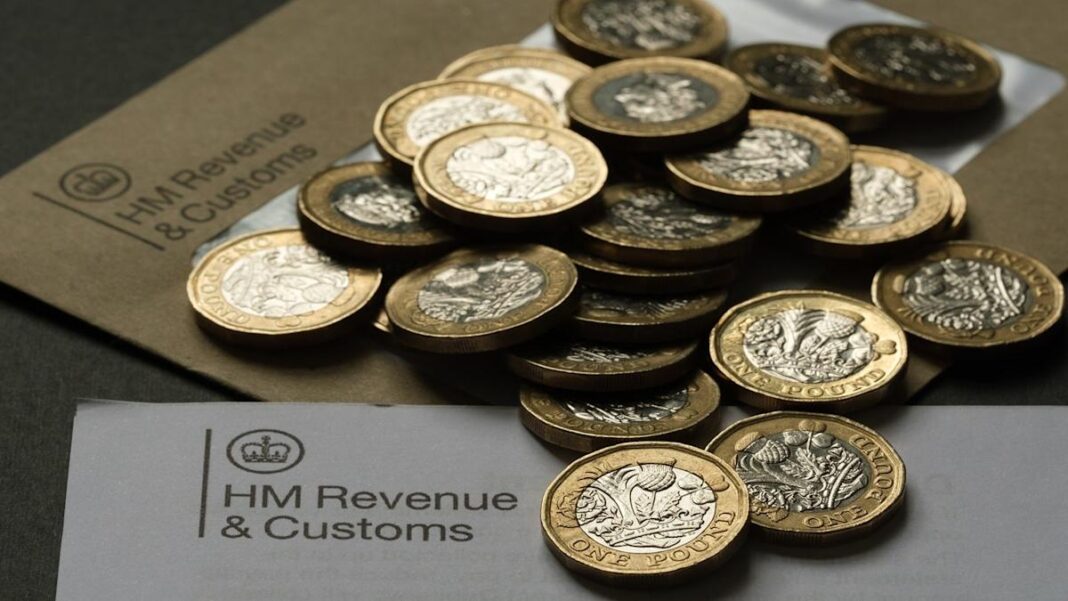

The UK’s HM Revenue and Customs (HMRC) collected £325m in fines and interest from taxpayers who paid their self-assessment bills late last year, according to accountancy practice UHY Hacker Young.
Individuals who complete self-assessment are required to submit their tax return and pay any tax owed by 31 January.
Missing the deadline incurs a £100 fine plus 7.75% interest on unpaid tax. An additional 5% penalty is applied if tax remains unpaid after 28 February.
UHY Hacker Young estimates that at least 600,000 taxpayers failed to pay their self-assessment tax by the 31 January 2025 deadline.
The company said it does not expect HMRC to soften its approach to late filing and payment, given the recurring scale of unpaid self-assessment liabilities.
UHY Hacker Young partner Neela Chauhan said: “The cost of not paying your self-assessment tax can rise quickly. Initial penalties may be relatively small, but interest and further charges add up and can really start hurting quite quickly.”
HMRC figures indicate that £8.7bn of self-assessment tax went unpaid last year, representing 12.5% of the £69.6bn it had expected to collect.
Across business and personal taxes, a total of £44bn is currently overdue, with £37.8bn of it categorised as ready to enter debt collection processes.
UHY Hacker Young is encouraging taxpayers to review any late-payment penalties they receive and to challenge them if they believe they have been wrongly applied.
Chauhan added: “Penalties are applied automatically, so it is worth checking they are correct. Many penalties are overturned when challenged, so it is important to dispute those you believe have been issued in error.”
For those unable to pay their self-assessment bill in full, the company highlights HMRC’s Time to Pay arrangements, which allow taxpayers to spread payments over instalments rather than paying in one lump sum.
These arrangements are generally easier to secure before additional penalties and interest accumulate.
“HMRC charges £325m in penalties for late self-assessment payments” was originally created and published by The Accountant, a GlobalData owned brand.
The information on this site has been included in good faith for general informational purposes only. It is not intended to amount to advice on which you should rely, and we give no representation, warranty or guarantee, whether express or implied as to its accuracy or completeness. You must obtain professional or specialist advice before taking, or refraining from, any action on the basis of the content on our site.


