

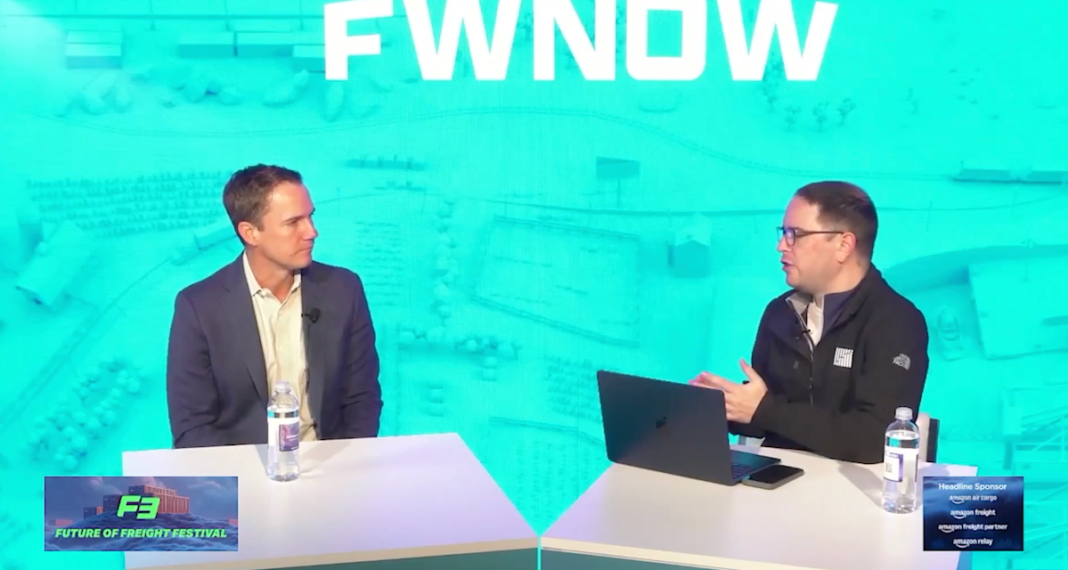


As artificial intelligence continues to reshape the logistics industry, Echo Global Logistics is discovering that the path to significant productivity gains requires more than simply applying new technology to old processes. In a recent conversation with FreightWaves, Zach Jecklin, CIO of Echo, shared how the company’s evolving AI strategy is unlocking transformative improvements by rethinking workflows from the ground up.
Research findings after a couple years of AI implementation reveal a striking pattern. When companies point AI at existing workflows that have been in place for a decade, they typically see minimal gains in productivity improvement, according to Jecklin. However, when organizations fundamentally rethink the workflow, the task structure, and what they are trying to accomplish, productivity improvements can jump as much as 70%. This realization has become central to Echo’s approach over the past year.
Echo has developed a dual strategy that combines both top-down and bottom-up approaches to AI implementation. The top-down strategy targets specific, high-volume tasks performed thousands of times across the organization. Echo has deployed AI systems that quote emails directly from shippers, build loads from email content, reach out for tracking updates, collect documents, and manage billing processes. These automated solutions handle the repetitive tasks that once consumed significant employee time.
While Jecklin initially believed the top-down approach would deliver the most value, his perspective has shifted dramatically. Both approaches remain valuable, but he has grown increasingly bullish on the bottom-up strategy. This approach focuses on empowering Echo’s 3,000 employees to learn how to use AI tools to their own advantage based on their specific roles and challenges.
The reasoning behind this shift reflects the fundamental nature of brokerage and logistics work. The industry thrives on nuances, with different customers wanting different things and unique requirements emerging from shipper to shipper and carrier to carrier. The true scope of these nuanced tasks often goes unrecognized until employees who handle them daily begin identifying opportunities for AI assistance. When employees across an organization can all leverage these tools effectively, they can drive substantial value through their collective bottom-up innovations.
To support this approach, Echo has introduced the concept of AI enthusiasts or AI champions throughout the organization. Hundreds of these individuals have been trained to understand AI tools and can think critically about their own roles and daily tasks to identify opportunities for improvement. When an AI champion develops a promising idea, Echo might organize a hackathon to rapidly build a prototype. Successful innovations earn monetary rewards or recognition, and the solutions can then scale across other teams facing similar challenges.


