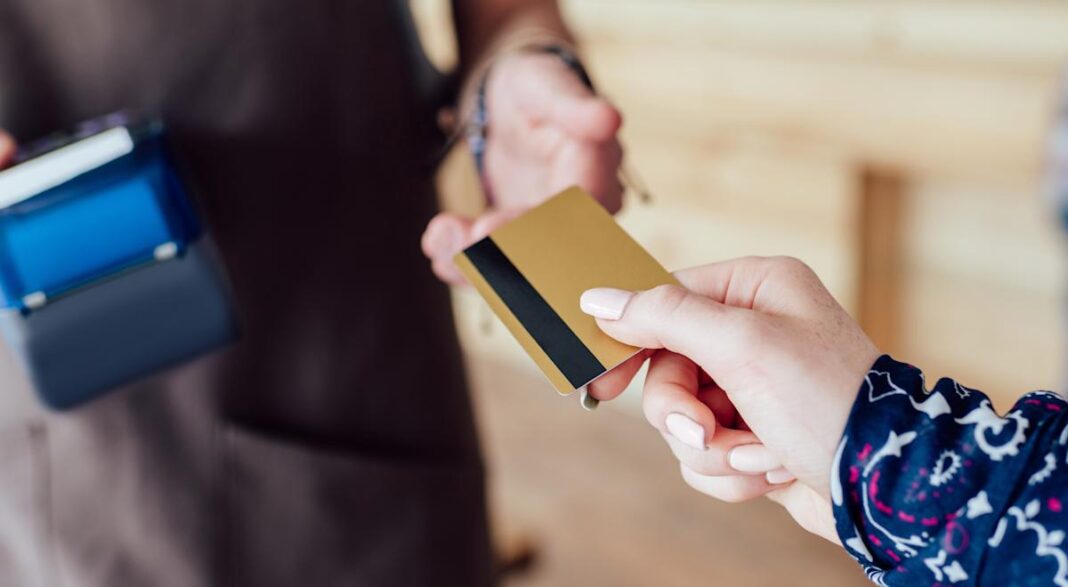
Police are reminding people in North Texas and elsewhere to carefully monitor their bank accounts for fraud after a young man was arrested in Fort Worth for allegedly stealing customer’s funds while working at a McDonald’s in the area (1).
Giovanni Blount, who is 19, is facing a first-degree felony fraud charge. While working in the restaurant, Blount would allegedly tap customer’s cards on a personal device after taking their legitimate payments for their orders. He is accused of more than 50 fraudulent charges of about $10 to $20 each, and collected a total of around $680 before he was caught.
This case highlights the importance of regular and careful review of spending, as fraud like this can slip through the cracks but lead to bigger problems later. Here’s why you should be on the lookout for card skimming operations, how to protect yourself from fraud, and how to take action in the event that your information is compromised.
In December 2022, the Nilson Report forecasted that payment card fraud losses in the U.S. would reach $165 billion over the next decade (2). What’s more, while shoppers in the U.S. made up only 23% of card spending at merchants and cash transactions at ATMs in 2021, they accounted for 37% of worldwide losses to card fraud that year.
With fraud on the rise according to the FTC (3), it’s critical that Americans take a careful look at their bank records at least monthly to determine if there are any unrecognized transactions in their history.
Card skimming, or attaching an illegal device to a payment terminal or ATM in order to collect payment data, is more common on gas pumps and at ATMs, but fraud can occur during card-based transactions even at reputable retailers.
The FBI reports that skimming devices are usually designed to be invisible unless you look closely, and that you should examine the keypad on these terminals before you use them to look for any inconsistencies in color, material, or shape (4). However, fuel pump skimmers are usually attached to the internal wiring of the machine and therefore may not be visible to a customer.
For that reason, you may want to opt to pay for your gas inside the store rather than at the pump. Pinhole cameras may also be used on any type of payment device to read a customer’s PIN number.
Read More: The average net worth of Americans is a surprising $620,654. But it almost means nothing. Here’s the number that counts (and how to make it skyrocket)
With so many opportunities for fraud, one of the best ways to protect yourself is through staying on top of monitoring your bank account transaction details. Fraudsters will often charge cards a small amount at first, as in the case of Giovanni Blount, so that it doesn’t raise an alarm to a target who is monitoring their bank balance only.
However, if you don’t regularly review your transactions, a small charge can go unnoticed and lead to the fraudster using your details for large purchases later on. Watchdogs also recommend that in addition to regularly checking your accounts, you should never respond to an unsolicited call, email or text that appears to be from your bank. If you have a concern, call your bank’s legitimate hotline, or visit your local branch for more information.
Some more ways that you can protect your finances include:
-
Opting to use a credit card with a low limit for your daily purchases. Credit cards often have better fraud protection coverage than debt cards.
-
Changing your PIN number and online banking password regularly
-
Use mobile wallet or contactless payments instead of your physical card
-
Avoid handing your card to a merchant when possible
-
Set up notifications for transactions from your bank
-
In addition to reviewing your bank statements, check your credit report regularly for suspicious activity
-
If you find a suspicious charge, report it immediately to your financial institution
Cases like the alleged McDonald’s skimming in Fort Worth show how easily small, seemingly harmless charges can slip by, especially when fraud losses in the U.S. are projected to hit $165 billion over the next decade. A quick, regular scan of your statements and alerts on every transaction can be the difference between catching a $10 charge early and dealing with a much bigger headache later.
Join 200,000+ readers and get Moneywise’s best stories and exclusive interviews first — clear insights curated and delivered weekly. Subscribe now.
We rely only on vetted sources and credible third-party reporting. For details, see our editorial ethics and guidelines.
CBS News (1); Nilson Report (2); FTC (3); FBI (4)
This article provides information only and should not be construed as advice. It is provided without warranty of any kind.