

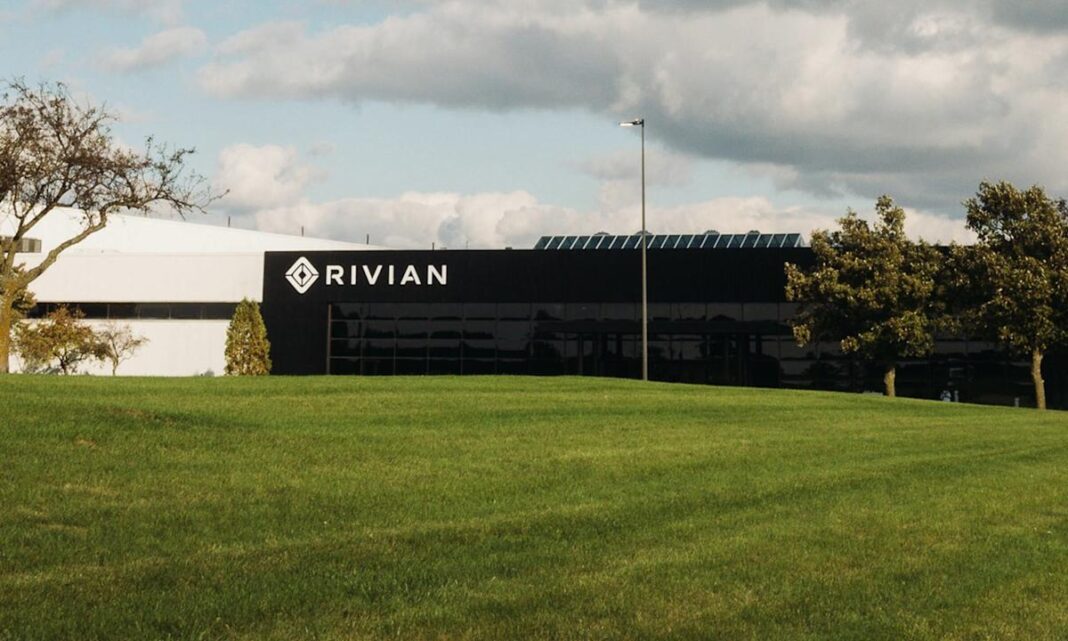

Rivian (NASDAQ: RIVN) remains one of my favorite EV stocks. This year alone should prove very exciting for the company. In fact, some major milestones could be reached within a matter of weeks. Longer term, there’s a good chance that Rivian gives rival Tesla a run for its money in some categories like self-driving technology and artificial intelligence (AI).
Where will Rivian be three years from now? Investors should be monitoring two primary storylines.
Where to invest $1,000 right now? Our analyst team just revealed what they believe are the 10 best stocks to buy right now, when you join Stock Advisor. See the stocks »
What made Tesla the $1.3 trillion giant it is today? There were many pivotal milestones over the decades, but the release of the Model 3 and Model Y — Tesla’s first affordable vehicles priced under $50,000 — tops my list.
Nearly 70% of Americans want their next vehicle purchase to be under $50,000. Getting a true EV to market under this price point is very challenging. Only a handful of manufacturers have been able to accomplish this due to the sheer scale required.
When Tesla released its affordable models, growth exploded. Today, those two vehicles account for more than 90% of its vehicle sales.
Thus far, Rivian hasn’t been able to compete directly with Tesla in the lucrative category of “mass market” vehicles — that is, vehicles priced for mass consumption. That should all change early this year when its R2 model begins shipping. Priced under $50,000, the R2 will be the first of three new vehicles Rivian intends to launch in 2026 and 2027. All will be priced under the critical $50,000 threshold.
Tesla’s mass-market models proved pivotal to its growth story. Rivian’s R2 model, as well as its upcoming R3 and R3X models, could prove similarly pivotal over the next three years.

If cars and trucks are the hardware of transportation, AI may soon prove to be the enabling software. For decades, EV leaders like Elon Musk have promised fully autonomous, self-driving vehicles. That reality has persistently been on the horizon.
AI, however, could change everything. The acceleration of AI technologies has dramatically improved self-driving technologies over a short period of time. Many experts now believe full autonomy is closer than ever.
If a carmaker wants to sell vehicles in the future, it will have to market both the hardware and its software. Self-driving technologies, driven by advancements in AI, will be key to selling vehicles within the next three years.


