


Key Takeaways
-
Ray Dalio has issued a stark warning that great-power conflict is increasingly being fought through “capital wars.”
-
In his view, the conditions make gold the default store of value.
-
Bitcoin’s “digital gold” narrative is being tested.
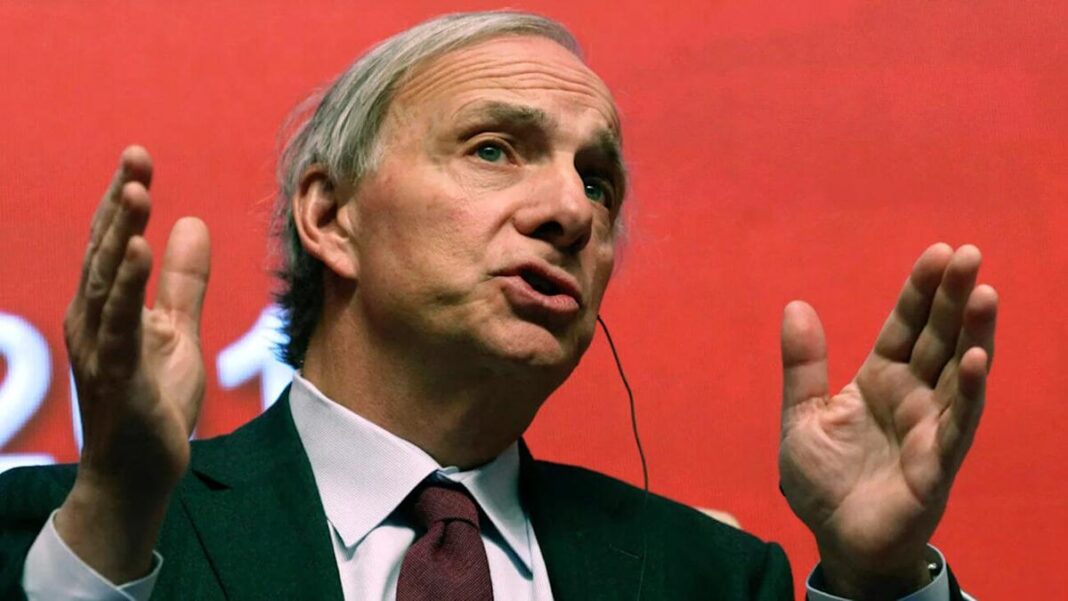
Billionaire investor Ray Dalio has warned that the post-World War II global order has “broken down,” arguing that rising great-power tensions, capital wars and mounting debt risks are reshaping the international financial system.
In a recent expansive essay, the Bridgewater Associates founder described the world as entering a period of “great power politics,” marked by sanctions, asset freezes and the weaponization of money.
In that environment, Dalio has pointed investors toward gold, not crypto, as a preferred store of value.
Dalio said the decades-long system of U.S.-led global stability is unraveling, with countries increasingly acting in their own strategic interests rather than adhering to shared rules.
“The world order as it has stood for decades no longer exists,” he said, describing an era of escalating trade and geopolitical conflicts.
In his framework of historical cycles, he argues that periods of disorder feature debt monetization and financial repression, developments that have undermined confidence in fiat money in the past.
“As for investing, sell out of all debt and buy gold,” Dalio wrote in his recent essay, arguing that wars are financed by “borrowing and printing money, which devalues debt and money.”
He added that during conflict, “gold … is the coin of the realm during wars,” as trust in credit systems erodes.
Notably absent from Ray Dalio’s latest analysis was any endorsement of Bitcoin or other cryptocurrencies as a hedge against geopolitical breakdown.
Instead, he pointed to gold’s long-standing role as a trusted store of value in periods of financial repression, arguing that credit-based systems become fragile when governments weaponize capital flows.
The omission comes as investors have increasingly shifted toward traditional defensive assets over the past few months.
Precious metal prices have surged to all-time highs, while risk-sensitive markets such as crypto have seen prices plummet.
Bitcoin has long been marketed by its fiercest supporters as “digital gold,” pointing to its scarcity and decentralization as a hedge against currency debasement and political risk.
But its recent dramatic price falls have raised concerns over whether investors are still treating it as a defensive store of value.


