

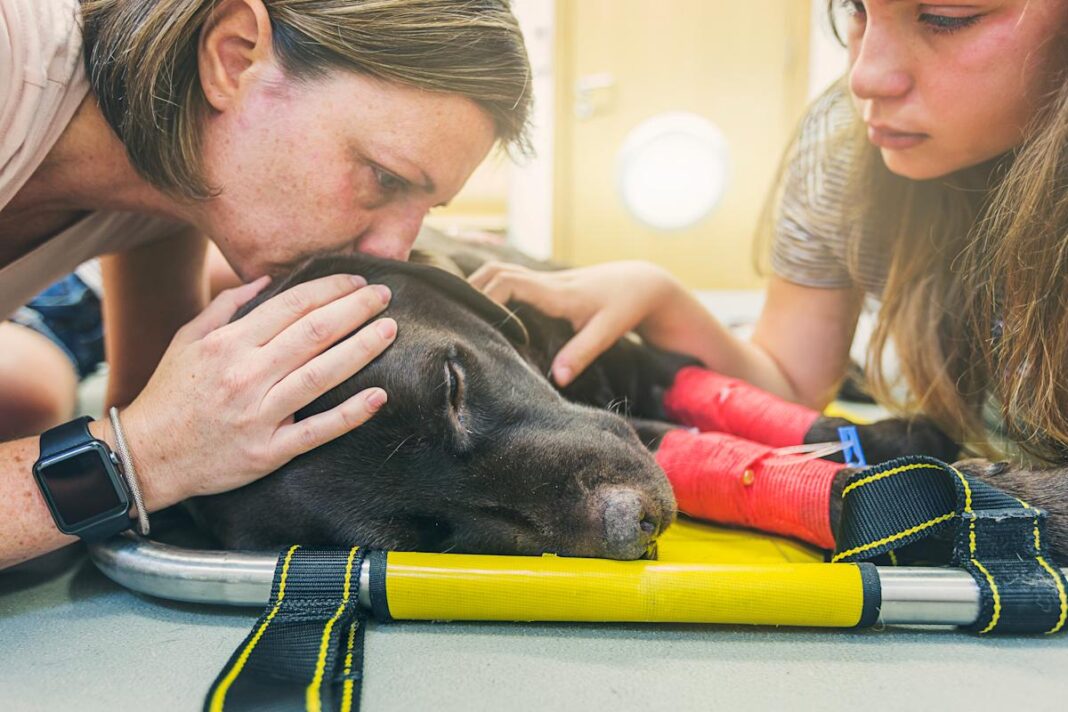

Letting go of an adored family pup is one of the most devastating decisions a pet parent may ever have to make. When you’re already in the middle of that heartache, euthanasia and other end-of-life care costs may not have been something you were prepared for.
While dog euthanasia costs can vary from one situation to the next, the financial toll can add another layer of stress during an already difficult time. The cost of clinic euthanasia usually costs between about $100 and $300, while in-home services tend to range from roughly $250 to $800, and sometimes more.
To help you feel a little more prepared, here’s a breakdown of what impacts the cost, what pet insurance may cover, and how you can explore options that can offset some of your out-of-pocket costs.
Learn more: How much does pet insurance cost?
Euthanasia is the medical term veterinarians use for helping a pet pass away peacefully. Many pet parents refer to it as “putting their pet to sleep” or “putting a pet down.” Typically, euthanasia is a two-part process that begins with a sedative, which helps your pet relax. Then, it’s followed by medication that gently lets them essentially drift off without feeling a thing. This procedure usually only takes a few minutes.
While euthanasia is more common for older dogs with advanced health issues, vets may recommend this procedure for dogs living with chronic or terminal illnesses, a severe injury, or age-related changes that have drastically impacted their quality of life.
The cost of dog euthanasia tends to range from $100 to $300. However, costs typically vary depending on where you choose to have this procedure. Here’s a look at the primary options:
-
Local animal shelters or humane societies: This is usually one of the lowest-cost options for euthanasia, typically costing between $50 and $100. However, some organizations may offer this procedure free of charge, depending on your situation.
-
Vet clinic visits: A veterinary clinic typically costs more than shelters and non-profits, with prices averaging between $100 and $300.
-
In-home euthanasia: At-home services are usually the most expensive option, with costs ranging from $250 to $800, or sometimes even more.
Remember, the setting you choose is a very personal decision, and there is no right or wrong choice. Ultimately, this decision comes down to what feels best for your family and your pup.
The setting you choose for this process does greatly impact the cost, but other key factors can influence how much you’ll pay for dog euthanasia:
-
Your dog’s size: Larger dogs typically require a higher dose of the medication, which can increase the total cost.
-
Where you live: Just like the cost of living varies by ZIP code, vet care costs can vary as well, which can make a difference in what you pay for euthanasia.
-
Exam fees: Sometimes, a veterinarian may need to examine your dog’s condition in order to recommend next steps. An exam fee can also increase your vet bill.
-
Emergency visits: Emergency services tend to cost more than scheduled appointments.
-
Your dog’s temperament and condition: If your dog is aggressive, anxious, or severely injured, they may need additional sedation or care, which can add to the cost.
-
Extra services: Aftercare options, such as cremation or burial, can also add to the total amount you’ll pay.
Learn more: Best pet insurance for discounts
During this process, you may also need to consider options for aftercare, like whether you would prefer a burial or cremation for your cherished pup. While this is a difficult topic to think about, knowing the options available may help you feel a little less overwhelmed during an already emotional time.
Burial: For some pet parents, burying their dog close to home, like in the backyard, feels like the most meaningful choice. Plus, it’s generally one of the more affordable options for laying your pet to rest. But if a backyard burial isn’t feasible, burying your dog in a pet cemetery is another way you can honor their memory.
The cost of a pet cemetery burial can vary widely, from $100 to several thousand dollars, depending on where the cemetery is located. Other factors that affect burial costs include your dog’s size and the additional services you choose, such as the type of casket, burial plot, and cemetery fees. Keep in mind that these costs likely don’t include a headstone or any regular grave upkeep.
Cremation: Another aftercare option is cremation, which can usually be arranged through your vet. There are a few types to choose from, including private, partitioned, and group cremation.
-
Private cremation: With a private cremation, your dog is cremated on their own, and the ashes are then returned to you. The cost for this service usually ranges from $200 to $500, depending on your dog’s size and any extra services you choose.
-
Group cremation: This is usually the most affordable option, with prices around $100. In this case, multiple pets are cremated together, and the ashes are not returned to you.
-
Partitioned cremation: This is when your dog is cremated alongside other pets, but the ashes are still returned to you. Costs typically range between $50 and $250. While there is a small chance that ashes from the other animals may mix with your pet, this option is usually less expensive than private cremation.
Some pet insurance plans help cover the cost of euthanasia when it’s recommended by a veterinarian, up to your policy’s limits. This coverage is usually included in accident and illness plans; however, the details can vary from one policy to the next.
If your plan does include this benefit, it may reimburse 70%, 80%, or 90% of eligible costs after you meet your deductible. Having a policy in place may ease some of the financial stress during an incredibly hard time and allow you to focus on your dog’s comfort and care instead of the cost.
Depending on the details of your policy, you may also have coverage for other related expenses, like:
-
End-of-life care costs: This may include pain management, medications, and palliative treatments leading up to the decision to say goodbye.
-
Cremation or burial costs: Some policies may partially cover aftercare services.
-
Exam fees: Certain plans may reimburse you for exam fees related to assessing your pet’s health.
-
Memorial items: Some plans include coverage for keepsakes or memorial items for your pet after a loss.
Since every pet insurance policy is different, taking the time to review your coverage can help you know what to expect.
Learn more: Best pet insurance companies
Pet insurance doesn’t always cover euthanasia, even if it’s included in your plan. Here are a few common reasons why this expense may not be covered:
-
It’s a preexisting condition. This means the illness or issue started before your policy went into effect.
-
The procedure is not medically recommended by a veterinarian. Most plans require a vet’s recommendation for coverage.
-
The euthanasia happens during a waiting period. Most pet insurance plans don’t start coverage right away, so costs during this time usually aren’t covered.
Learn more: Pet insurance with no waiting period: How it works
If you’re wondering whether pet insurance makes sense for you, crunching some numbers can be helpful in making this choice. Here’s a simple example showing how euthanasia and end-of-life care costs may look with and without pet insurance.
Let’s say you have an accident and illness pet insurance plan that reimburses 80% of covered expenses after a $250 deductible.
Cost of services:
-
In-clinic euthanasia: $300
-
Burial and other related expenses: $1,700
-
Total cost: $2,000
Here’s how the math works:
Before insurance helps cover any costs, you would first pay the $250 deductible. That leaves $1,750 in covered expenses remaining. Your insurance plan would then reimburse 80% of $1,750, which equals $1,400.
This means your total out-of-pocket cost would be $600, which includes the $250 deductible and 20% of expenses not covered ($350). Without pet insurance, you would need to pay the full $2,000 on your own.
Learn more: How does pet insurance work? A complete guide.
While there’s no amount of money that can ease the loss of a pet, finding ways to reduce the cost may help make a very difficult situation a little more manageable.
Here are a few options that may help lower the cost of euthanasia:
-
Compare vet pricing: Costs can vary widely from one vet to another and between in-clinic and in-home services. If your situation allows, calling a few local clinics or providers ahead of time can help you find an option that fits your needs and budget.
-
Explore financial assistance: If you’re facing financial hardship, nonprofit organizations such as the AVMF Veterinary Care Charitable Fund and RedRover offer grants or other financial support to help offset costs to families who qualify.
-
Ask about payment plans: Some veterinary clinics offer installment plans or partner with financing services like CareCredit to help spread out the cost.
-
Look into crowdfunding: You may be able to raise funds for your dog’s end-of-life care through online fundraising platforms like GoFundMe and Petfundr.
-
Consider pet insurance early: Some pet insurers, such as Lemonade, Trupanion, and ASPCA, cover the cost of euthanasia (up to policy limits) under accident and illness plans when your veterinarian recommends it. Enrolling in a pet insurance plan early can help ensure coverage is in place when you need it most. That said, coverage can vary from one policy to another, so it’s important to review the details of your plan.
-
Add a wellness plan or extra coverage: If your accident and illness plan doesn’t fully cover end-of-life care costs, adding a wellness plan or extra coverage may help fill the gap. Some plans offer coverage or discounts for aftercare costs, though adding one can increase your plan’s total cost. For example, Embrace offers pet wellness plans you can add to your policy to help cover services like cremation or burial.
Learn more: How to compare pet insurance quotes
When you’re in the middle of an incredibly painful moment, the last thing you want to worry about is money. Because euthanasia and end-of-life care costs can add up quickly, pet insurance may make it easier to plan for unexpected situations like this.
So, when deciding if pet insurance is worth it, it can help to compare the monthly cost of a policy with what you might otherwise need to pay out of pocket for vet care.
That said, pet insurance isn’t the right fit for every family. If your pet is older, has preexisting conditions, or you already have savings set aside for vet expenses, insurance may not make sense for your situation.
Ultimately, it comes down to weighing the monthly insurance cost against potential vet bills and choosing what feels manageable for your budget and gives you peace of mind.
Learn more: Is pet insurance worth it? How to decide.
-
Veterinarians typically charge between $100 and $250 to euthanize a dog.
-
When coping with the grief and sadness of losing your dog, the cost involved may come as a surprise, especially since it can range from a few hundred dollars to more.
-
Pet insurance may help lower some of your out-of-pocket costs, but remember coverage details vary from plan to plan.
-
Knowing your options in advance can help reduce uncertainty when emotions are already high.
Learn more: Best pet insurance companies
Veterinarians typically charge between $100 and $250 to euthanize a dog. The total price you’ll pay depends on factors like your dog’s size, where you live, and whether you choose additional services such as sedation or cremation. Generally speaking, in-clinic euthanasia costs less than in-home services, which can range from $350 to over $500. Therefore, before making a decision, it’s helpful to review your options so you can choose what feels right for you and your pet.
Learn more: How to compare pet insurance quotes
Yes, in some cases, local humane societies, animal shelters, and nonprofit organizations offer euthanasia services at little to no cost. This can be one of the most affordable options for families who need help letting go of their beloved pup.
Some organizations may also provide cremation or burial services at reduced prices. So, if you’re unsure where to start, your veterinarian or local shelter can usually point you to low-cost euthanization options in your area.
Emergency euthanasia usually costs more than a scheduled appointment. Prices can range from $200 to over $400, depending on factors such as time of day, location, and service setting (e.g., at home or in a clinic).
Keep in mind that appointments after regular business hours, on weekends, or on holidays may come with extra fees. While this situation is never easy, your veterinarian can walk you through the costs involved and help you understand your options.
Tim Manni edited this article.


