

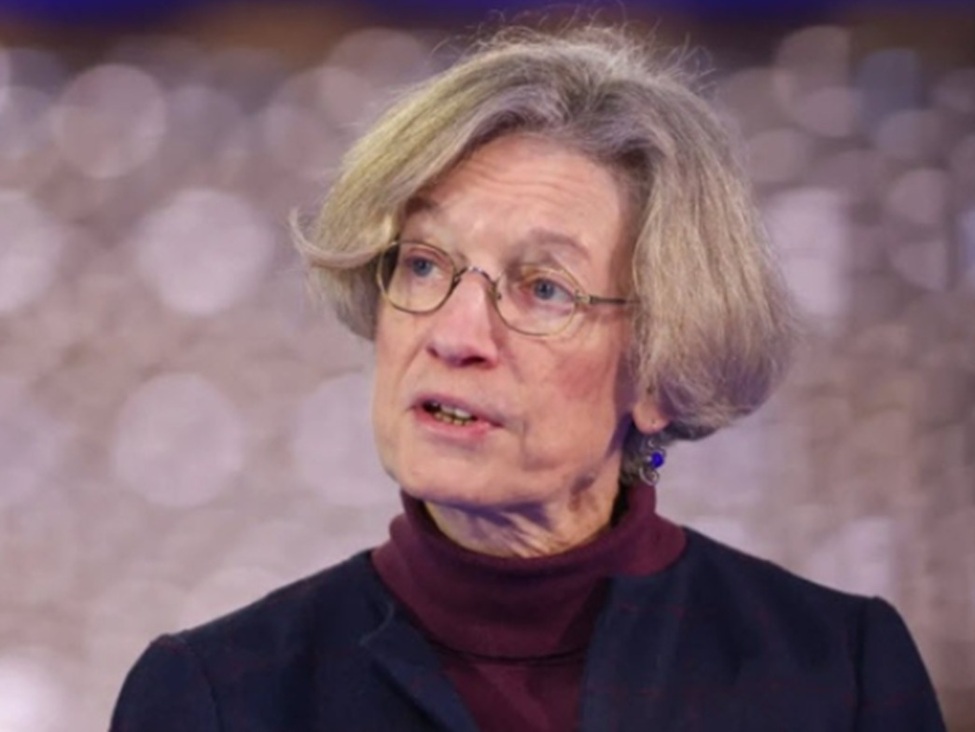

- We are getting close to some sense of where monetary policy is balanced between the inflation objective and full employment
- The unemployment rate has gone up and that’s very much of a concern
- On January inflation data: these are good numbers from headline perspective and also from core
- With respect to core inflation, not quite as good as we had hoped to see
- Hard to tell whether 2% inflation that we are likely to see in the next few months is in fact a sustainable 2%
- Food inflation key factor in my decision making
BoE’s Mann is usually labelled as a hawk but she’s been switching between hawkish and dovish views pretty quickly based on the evolution of the data.
Mann notes that the Bank is approaching a neutral point where interest rates are effectively balancing the dual goals of curbing inflation and supporting full employment. She expressed concern over the rising unemployment rate (recently hitting a five-year high of 5.2%). She specifically pointed to sharp minimum wage increases as a potential factor in rising youth unemployment, though she cautioned against viewing this as a definitive “canary in the coal mine” for a total economic collapse.
She acknowledged that January’s inflation data (falling to 3.1%) looked positive on the surface. However, she was less satisfied with core inflation, which has not cooled as quickly as she had hoped. While the UK is expected to hit the 2% inflation target in the coming months, Mann remains skeptical about whether it will stay there. She is looking for more evidence that wage-setting and service-sector pricing have truly adjusted before she is fully convinced that the 2% level is sustainable
Mann’s tone has softened due to the weakening jobs market, but her “activist” policymaker roots remain. She is currently prioritizing certainty over speed, wanting to ensure that once inflation hits 2%. At the last policy meeting, she voted to keep the Bank Rate unchanged. Based on these comments, she would likely keep rates steady again if she had to vote now.
Even if she voted for no change, the policy changes are decided on a majority basis. The market is pricing an 82% chance of a rate cut at the next meeting in March following the soft employment and inflation reports. The last vote split was 5-4 to keep rates unchanged. Right now, it should be minimum 5-4 in favour of a rate cut as Governor Bailey is widely expected to vote for a cut.


