

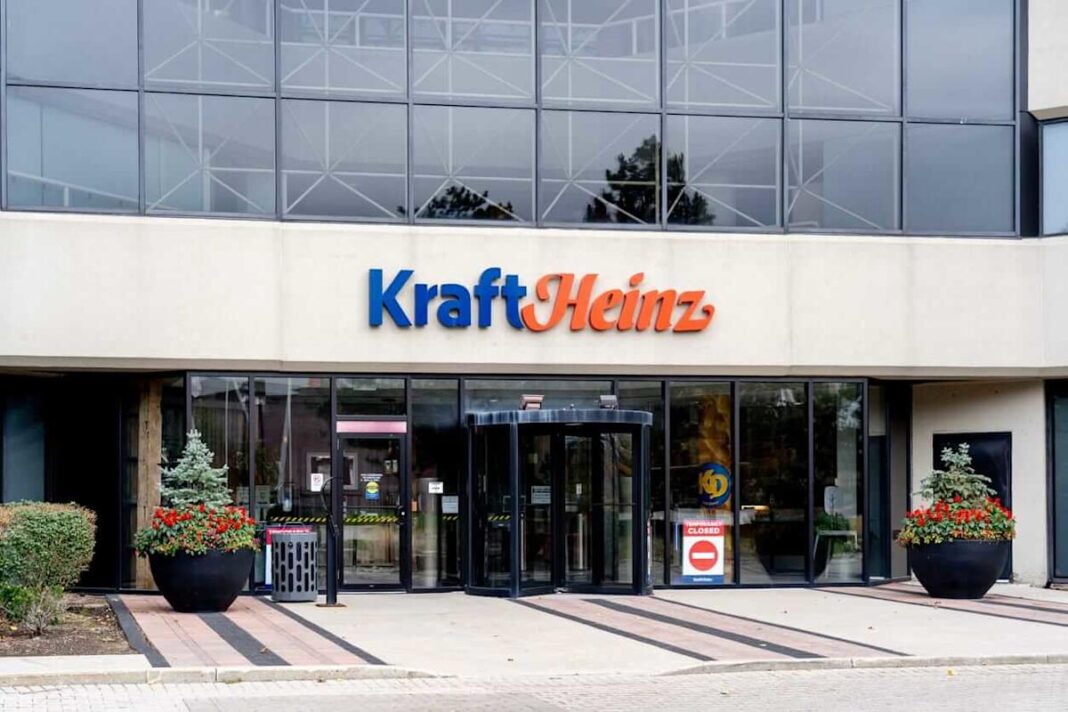

After Kraft Heinz (KHC) announced that it would postpone its breakup into two entities and spend $600 million to improve itself, I believe that the moves could potentially help the company in the longer term. Still, Berkshire Hathaway (BRK.A) (BRK.B), which owned 27.5% of KHC as of January, may still decide to unload its entire stake in the packaged-foods giant, putting a great deal of downward pressure on its shares.
Moreover, Kraft Heinz reported discouraging fourth-quarter results, and multiple macro trends are weighing on the name. For all of these reasons, I would not recommend buying KHC stock at this point, despite its high dividend and low valuation.
Kraft Heinz, as its name indicates, owns and markets the Kraft and Heinz brands. Based in Chicago and Pittsburgh, it also owns many other consumer packaged food brands, such as Oscar Mayer, Jell-O, and Philadelphia Cream Cheese. The company has a market capitalization of $29.36 billion.
Last September, the firm announced that it would split itself into two companies, with one entity focusing primarily on “sauces, spreads and seasonings.” The other spun-off firm was going to include the Oscar Mayer, Kraft Singles, and Lunchables brands. But in January, Kraft Heinz’s new CEO, Steve Cahillane, stated that KHC would postpone the split to focus on “returning the business to profitable growth.” The CEO indicated that the company would stay united for all of 2026.
In Q4, the food giant’s sales dropped 3.4% versus the same period a year earlier to $6.35 billion, while its operating income, excluding certain items, tumbled 15.9% year-over-year (YoY) to $1.16 billion. Also falling was its adjusted gross profit margin, which dropped 1.3 percentage points to 33.1%.
The shares have a forward price-earnings ratio of 11.9 times, and analysts on average expect its earnings per share to fall 21.5% in 2026 to $2.04, versus the EPS of $2.60 that it generated in 2025.

As I reported in my last column on KHC, the many consumers who are concerned about their health have been purchasing fewer of the company’s products, a high proportion of which are not very healthy. Therefore, I believe that Kraft Heinz can use a portion of the funds that it intends to invest in its U.S. business to develop new, healthier products and market them to U.S. consumers. The firm could also launch new products, enter new markets, and potentially make sizeable acquisitions in emerging markets, where its sales rose an impressive 4.6% last quarter, excluding the impact of acquisitions and divestments.


