

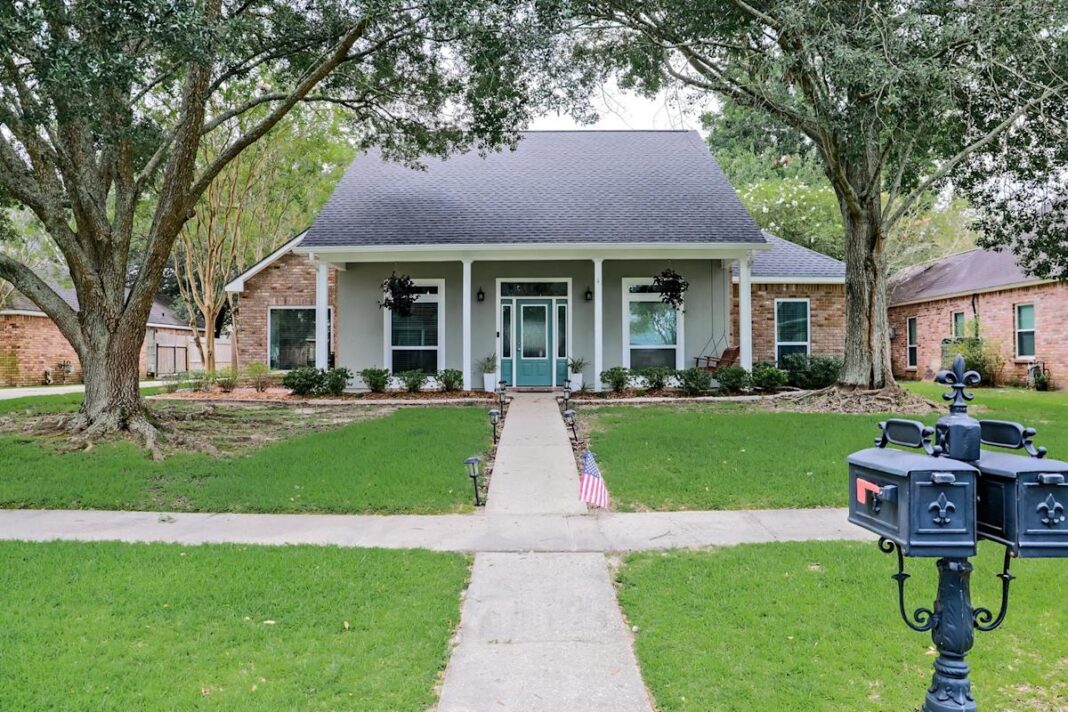

For many Americans, their home is their largest asset. And after decades of paying off a mortgage, by the time you reach retirement age, you may end up with a home you own outright. If that home has also gained a lot of value since you bought it, you could end up retiring with a lot of home equity.
But one thing you don’t want to do is count on that home equity to fund your retirement. Here’s why.
Where to invest $1,000 right now? Our analyst team just revealed what they believe are the 10 best stocks to buy right now, when you join Stock Advisor. See the stocks »

Home equity is a nice thing to have, but it shouldn’t take the place of actual retirement savings. And there are a few reasons for this.
First, converting your home equity into spendable cash isn’t so easy. You either need to take on debt in the form of a home equity loan or home equity line of credit (HELOC), or you need to sell your home.
But selling may not be feasible if you want to stay in your community. And even if you’re able to replace your home with a less expensive one, the costs of selling and moving could eat into your equity, leaving you with a lot less money than expected.
Plus, the amount of equity you have in your home can fluctuate over time. Your home may be worth $750,000 today. But if the housing market tanks right when you want to sell, you may not get $750,000.
Granted, this risk exists for pretty much any asset other than cash. Your individual retirement account (IRA) or 401(k) could also lose value in retirement. And if you need to tap your retirement account when the market is down, it could cost you.
But on the flipside, within your IRA or 401(k), there may be assets that aren’t down even in the midst of a market crash. For example, you may own a couple of resilient stocks that retain their value, in which case liquidating them for cash to cover expenses could mean avoiding losses.
But if there’s a housing market crash and you have only one home to sell to cash out your equity, you’re likely to take a financial hit.
There’s nothing wrong with using home equity as a backup plan. If you end up with surprise expenses in retirement, a HELOC, for example, could be a good way to cover them in a pinch.
But don’t let home equity take the place of retirement savings, even if you have a lot of it. Instead, try to save enough so that you’re in a position to cover your costs in full based on retirement plan withdrawals, Social Security, and whatever other liquid assets you may have access to.


