

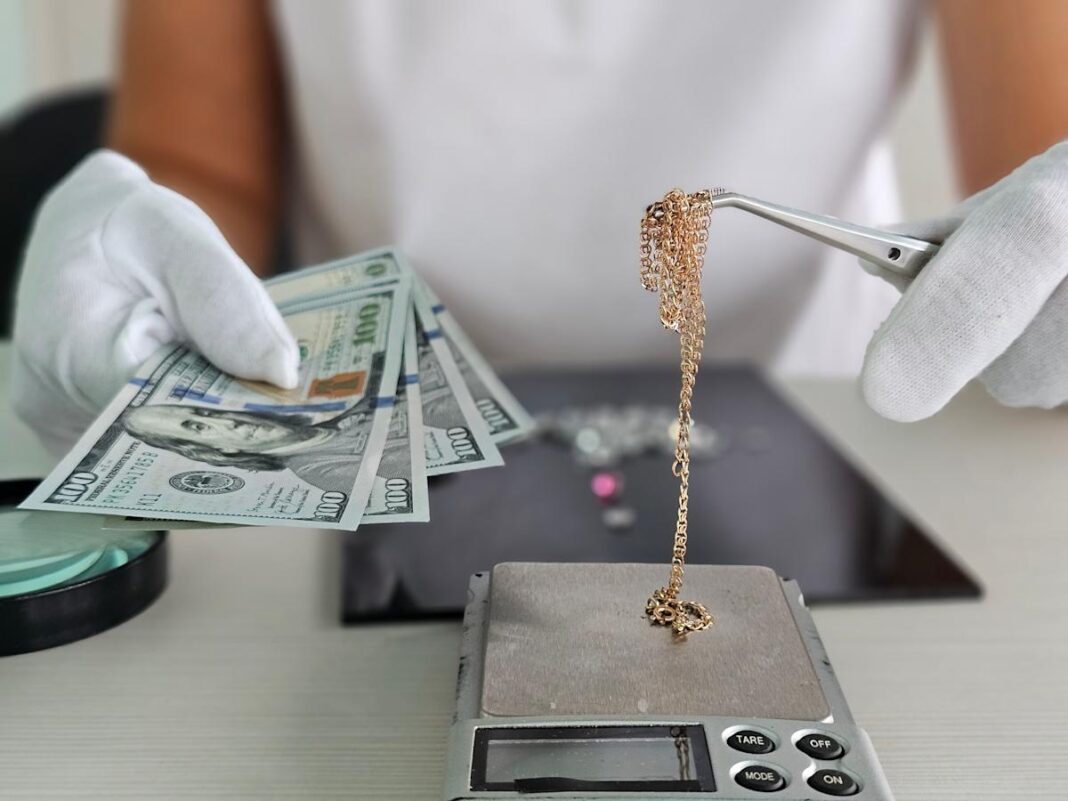

When you’re short on cash, pawn loans can offer a quick solution.
You can put an item you already own up as collateral with a pawn shop, and the shop will loan you cash based on the value of the item, without a waiting period or credit check. When you pay the shop back (with interest), you’ll get your item back.
But, like many short-term lending options, a pawn loan comes with plenty of risks. Here’s what to know before you consider a pawn shop loan for extra cash, and alternatives that may better suit your goals.
A pawn shop loan is a type of secured loan. To borrow money, you’ll need to offer collateral: often jewelry, but also collectibles, electronics, musical instruments, and other items.
The pawn shop will appraise your item and loan you a portion of its full value. Then, you must pay that amount back (plus fees) within a certain timeframe, such as 30 days or 90 days.
Some pawn shops may allow you to renew your loan after the original term, as long as you can at least pay the interest already accrued. Otherwise, you’ll forfeit your pawned item if you don’t pay within the loan term.
Pawn loans can be useful as alternatives to other short-term loans, like payday loans, which may be even more expensive and have their own risks. They’re also relatively accessible to many people. According to the National Pawnbrokers Association, the average pawn customer often doesn’t have access to traditional bank loans — and given the average pawn transaction is less than $180, traditional banks don’t typically offer loans that small.
When you take on a pawn loan, you risk losing the item you put up for collateral. If you decide to pawn something that’s personally meaningful or sentimental, you may have to forfeit the item if you can’t pay back your loan.
While a pawn loan may be useful in the short term, this type of borrowing rarely provides a long-term financial solution. According to a 2021 Consumer Financial Protection Bureau report, borrowers who used pawn loans in a given year continue to take on these loans the following year — just like borrowers who cycle through auto title loans and payday loans.
Consistently using small, short-term loans can be a risky practice. Not only are you not building credit (so you can qualify for other types of loans like mortgages or auto loans), you can also rack up major fees.
Cost is one of the biggest risks of pawn loans. High fees make these loans much more expensive than just repaying the amount you borrowed.
Many states regulate the fees that pawn shops may charge borrowers. For example, New York has a maximum interest rate of 4% per month for pawn loans, and Ohio limits pawn loan rates to 6% per month. But even those limited rates are much higher when you consider them in annual terms, like other loans.
Take Georgia as an example. The state limits pawn loan interest to 25% for the first three months, then 12.5% after that. That’s a combined yearly interest rate of 187.5% — much higher than you would see on personal loans or credit cards.
But what does that look like in the real world? If you have a $300 pawn loan at 25% interest with a three-month term, you could pay up to $225 in fees over that time ($75 per month). That means you would owe the pawn shop up to $525 for your original $300 loan.
One of the benefits of pawn loans is the lack of any credit check. But even if you don’t have great credit, you can still access less risky loans or lines of credit. Here are some to consider:
You do often need a good credit score to borrow a personal loan, especially loans with low fees and interest rates. But it’s possible to get approved for a personal loan with bad credit. Look beyond big banks to community banks, credit unions, or online lenders who may offer more flexibility. Some credit unions, for example, offer payday alternative loans (PALs) with rate caps and terms lasting up to six or 12 months.
Even if you don’t qualify for the best terms or interest rate based on your credit history, you may be able to access the funds you need with a personal loan. After you’re approved for the loan, you’ll receive a lump sum payment and begin paying back what you owe (plus interest) in standard monthly installments.
If you’re unable to get approved for a personal loan at all based on your own credit history, consider a secured personal loan or applying for your loan with a co-signer.
Read more: Best personal loans for bad credit
A secured credit card can give you access to a credit line and a way to build your credit score. Secured credit cards require an upfront, refundable deposit that typically serves as your credit limit. The minimum deposit for many secured cards is around $200, so you do need some extra cash to open one.
Over time, you can use your card to make purchases and build credit by paying at least the minimum amount due on time each month. Many secured card issuers monitor your account to determine if you qualify to upgrade to an unsecured card and get your deposit back.
Here are some top secured credit cards today:


