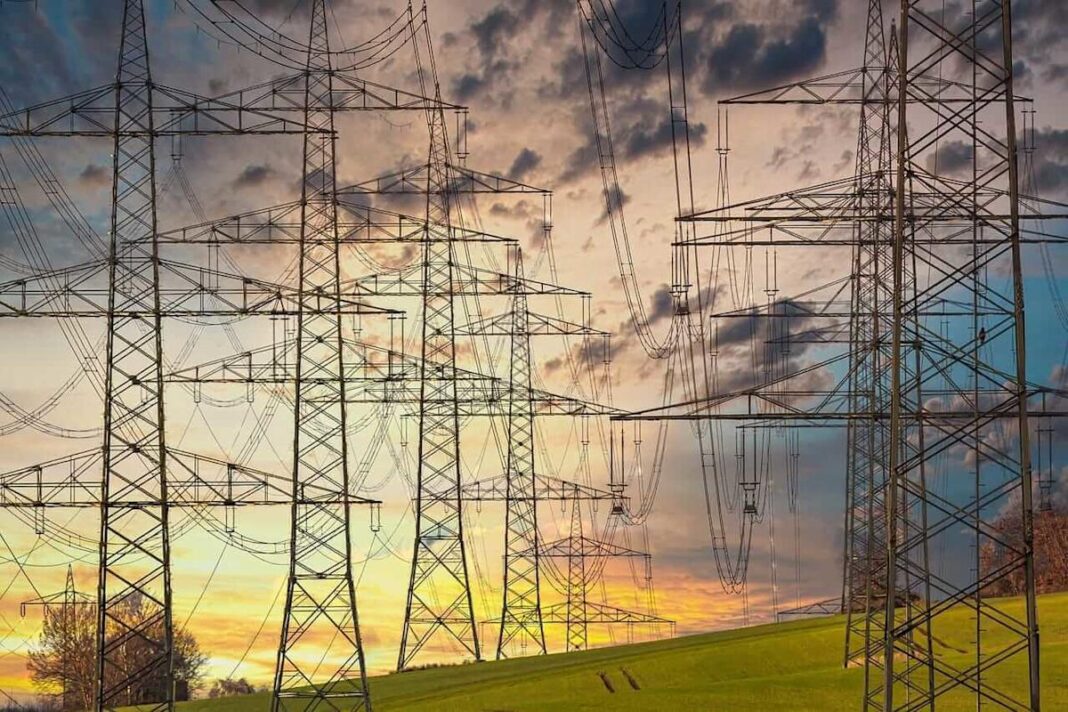
Most of us thought the energy world had really turned a corner. State governments are rolling out clean power targets, utility companies have been retiring their coal plants, and renewables are finally gaining both political and commercial momentum. That’s why everybody’s so shocked about what’s going on over in Knoxville, Tennessee.
It might not be a household name all over the country, but the Tennessee Valley Authority (TVC) is America’s biggest public power provider. The company serves 10 million people across seven states, so the decisions they make influence a large chunk of the country. And this month, TVA has shown us all that energy markets are a lot more fluid than investors realize.
What’s the big announcement? In a move that company leaders claim will “help drive U.S. energy dominance,” TVA has canceled the retirement of two major coal plants and formally dropped renewable energy as a strategic priority.
Unless you’re a hardened market-watcher, TVA’s decision might just look like some weird corporate blip. But it’s actually been a long time coming, and it has serious implications for industrial strategy, regulatory outlooks, and investment decisions. Let’s take a closer look at what’s changed and why Wall Street needs to pay attention.
TVA has been methodically planning a transition away from coal for years now. The company planned to take two of its largest coal-fired plants (Kingston and Cumberland) offline in 2027 and 2028, respectively, and replace them with natural gas units and renewable energy backed by battery storage. This move was essentially the centerpiece of TVA’s big and flashy decarbonization strategy.
That all changed when the board met earlier this month.
Members voted unanimously to drop renewable energy as a priority, shelve TVA’s existing coal-retirement timeline, and grant a reprieve to plants nearing the end of their lifecycles. Environmental campaigners were understandably livid, particularly as this decision represents a stark U-turn from previous policy.
So, what gives? It looks like the board’s decision was equal parts commercial and political.
The official rationale is simple: Electricity demand is skyrocketing. A lot of that boils down to the rapid rise of artificial intelligence (AI) and data centers. At the same board meeting on Feb. 11, TVA members agreed to double the power they’re supplying to Elon Musk’s xAI data center operations in Memphis, Tennessee. To ensure energy is affordable and reliable for everyone else, TVA claims its continued use of coal and natural gas is business-critical.
But you can’t ignore the partisan dynamics here, either.
After retaking office, President Donald Trump wasted no time firing three TVA board members who’d been nominated by his predecessor. Trump has since reconfigured the board with appointees whose views are more closely aligned with his administration’s policies favoring fossil fuels and the rolling back of environmental regulations.
Critics have argued that decisions like this should involve public input and community engagement. But that clearly hasn’t happened, and the policy signal is 100% clear. Demand patterns are shifting, environmental priorities are getting pushed to the side, and coal generation is being reaffirmed as a central part of America’s energy mix. That has consequences for the entire country, and investors have to react accordingly.
TVA’s decision isn’t some regional blip. Wall Street needs to treat this as a bellwether for future energy investment, because this reversal away from clean energy creates several major problems — and a few potential opportunities.
First and foremost, coal isn’t dead.
Most investors have been treating coal like a sunset industry. TVA has demonstrated that coal is still the country’s primary contingency plan for baseload reliability and affordability. Like it or not, regional grids rely on dependable generation, and performance across renewables has been mixed.
Without significant storage or dispatchable alternatives, big companies like TVA can’t deliver reliability and clean energy simultaneously. Thanks to the Trump administration’s regulatory stance on fossil fuels, they don’t have to.
Don’t expect a renaissance for coal producers, but make no mistake: This backslide will create short-term demand support for coal generation and fuel contracts. You should specifically be watching utility stocks, natural gas price exposure, and energy infrastructure MLPs. Plenty of companies will almost certainly follow TVA’s lead, and it’s going to create a lot of movement over the next few months.
Clean energy isn’t dead. But investors evaluating energy companies can no longer assume they’ll follow a linear transition to clean power. Expect policy shifts that will influence long-term cash flow and, in turn, valuation multiples.
Bearing all that in mind, be sure to strike a balanced view on energy moving forward. The binary “dirty energy” framework that we’ve been using just doesn’t capture the nuance of a successful energy portfolio in 2026.
Storage and renewables are still key growth areas, while nuclear energy and natural gas will remain competitive in terms of dispatchability and baseload. But coal is going to stick around in key regions across the U.S. for a lot longer than previous models suggested.
Long story, short: Expect complexity and regulatory variation. You can’t afford to underprice the influence that politicians have on your energy portfolio, and you need to be prepared to react accordingly.
On the date of publication, Nash Riggins did not have (either directly or indirectly) positions in any of the securities mentioned in this article. All information and data in this article is solely for informational purposes. This article was originally published on Barchart.com