

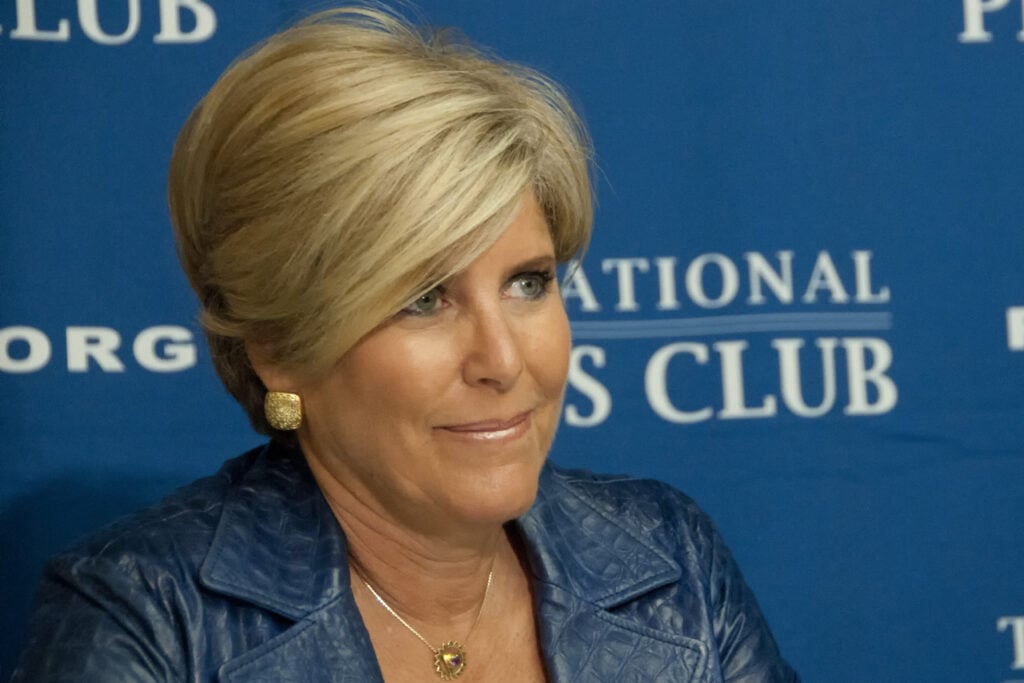

A teenager’s summer paycheck usually disappears quickly. A few shifts at the pool or grocery store might turn into gas money, a phone upgrade or a weekend out with friends. Financial guru Suze Orman looks at those same paychecks and sees something most people miss: a rare window to build serious wealth decades before retirement even feels real.
“A child, grandchild, niece or nephew, or just a younger friend with a paying summer job is likely not making a ton of money,” Orman wrote on her blog. “But as a parent, grandparent, aunt, uncle or friend, you have a golden opportunity to launch them to their first million dollars.”
The Roth IRA math that surprises people
Orman’s idea centers on a Roth IRA, which allows investments to grow tax-free and be withdrawn tax-free in retirement if the rules are followed. The account is available to anyone with earned income, including teenagers with part-time jobs.
The power of the strategy lies in time.
Orman outlined a simple scenario: a young saver who contributes $2,500 per year and earns a long-term annual return of about 7% could eventually cross the million-dollar mark.
“A teen or young adult who saves $2,500 a year for 50 years will have more than $1 million tax-free dollars,” she wrote.
Orman also described a more gradual path. Someone who saves $1,000 annually for five years and then $5,000 per year for the next five could build roughly $37,000 within a decade. If that saver later contributes the Roth maximum consistently over the following decades, the account could grow into a seven-figure balance.
“I think that’s a mighty compelling conversation starter,” she wrote.
Trending: Most founders obsess over the wrong hires. See the 5 startup roles that actually determine whether a company scales or stalls.
Early savers could leap far ahead of most Americans
The reason Orman pushes the idea so strongly is that most Americans are nowhere close to that trajectory.
The average 401(k) balance across all workers is about $144,400, according to Fidelity’s 2025 retirement analysis.
Another industry report, Vanguard’s How America Saves 2025, found the average 401(k) balance was about $148,153, while the median balance was just $38,176.
That gap between the average and median shows how many savers have relatively small balances.
Against that backdrop, a Roth account that eventually reaches $1 million would place someone dramatically ahead of typical retirement savers. Even among millennials, the average 401(k) balance is only about $67,300, according to Fidelity retirement data.


