

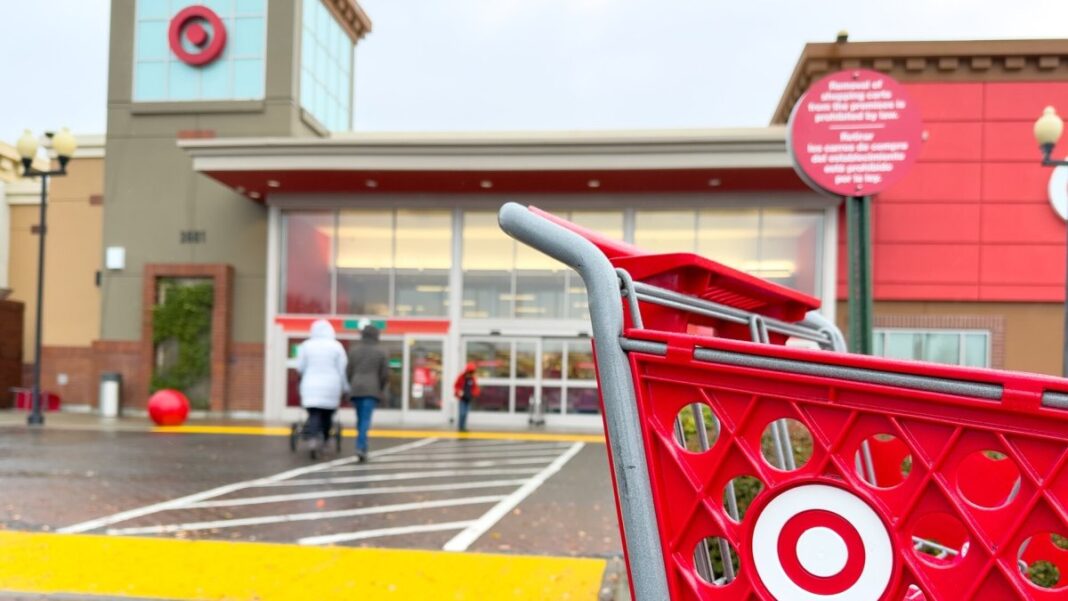

As a regular Target shopper who has covered the retail industry for over 30 years, I’m not convinced that the chain’s politics or dropping of its diversity, equity, and inclusion (DEI) language has led to its current sales drop.
Traditionally, boycotts rarely work. While liberals being angry about the DEI issues and conservatives being mad about the chain’s Pride merchandise likely contributed to its sales drops, a visit to the chain’s stores suggests new CEO Michael Fiddelke has much bigger problems to solve.
“Target customers have soured on what they see as untended and messy stores with lackluster merchandise,” the Associated Press reported.
That mirrors the experience I have had across multiple visits to a handful of Target locations over the past year. Shelves were picked over, clothes were mostly available in less-popular sizes, and many products were out of stock.
When customers visit a retailer and the items they want aren’t in stock, they often go elsewhere or shop online, which can erode trust in the brand over time.
Social issues certainly haven’t helped the chain, but its problems run deeper than that.
“The strategy needs correction and execution needs improvement,” Gerald Storch, Target’s vice chairman between 1993 and 2005, told Reuters. “You see long lines, hyper-promotional deals, and a loss of focus on value.”
Fiddelke shared an open letter to employees and customers when he took over the position on Feb. 2. In it, he named four priorities.
-
Leading with merchandising authority by curating with conviction — bringing together design, style, and value in a way only Target can.
-
Elevating the guest experience by making every store visit and digital interaction easier, more inspiring, and more welcoming.
-
Accelerating technology to remove friction, enable our teams, and create more personalized, joyful experiences for guests.
-
Strengthening our team and communities by investing in our people, building future-ready skills, and growing alongside the communities we serve.
As one of his first moves as CEO, Fiddelke cut about 1,800 corporate jobs. Some of the money from those cuts will be invested in improving the chain’s stores.
The CEO acknowledged the inventory issues.
“This past quarter, the on-shelf availability of our 5,000 top items, the ones for which being in stock is most important to our guests and which represent 30% of our total unit sales saw a more than 150 basis point improvement compared to this time last year. But even with this meaningful progress, I want to emphasize that we have much more room to improve, and we’re not slowing down,” he said during the chain’s third-quarter earnings call.


